
Venn Diagram Template Google Slides
Venn Diagram Template Google Slides - A specialized time domain trace, derived from the spectrum analyzer input, which allows the user to view the amplitude, phase, or frequency of the rf signal as a. To keep amplitude errors reasonable, the bandwidth of the scope and. Everything happens in time domain, i.e. The plot in figure 1 illustrates a key point: Fig 1 demonstrates an oscilloscope operating at 1khz displaying both amplitude and time. 100 mhz signal (<3% error), you need at least 300 mhz of bandwidth. For faster or slow processes we develop instruments to capture. This application note will introduce time domain and dtf measurement techniques for identifying the location and relative amplitudes of discontinuities while operating in the field. The oscilloscope provides a perfect picture of signal integrity and output level. The signal’s changing amplitude (mapped on the vertical axis) is plotted over the horizontal axis, time. The signal’s changing amplitude (mapped on the vertical axis) is plotted over the horizontal axis, time. This application note will introduce time domain and dtf measurement techniques for identifying the location and relative amplitudes of discontinuities while operating in the field. The mdo spectrum analyzer display (figure 3) will look familiar and intuitive to spectrum analyzer users, with labeling of amplitude grid lines as well as start and stop frequencies, peak markers,. Similar to the challenges of high speed jitter and timing measurements are applications requiring the capture of very high amplitude signals along with very low amplitude details, and needing. For faster or slow processes we develop instruments to capture. A specialized time domain trace, derived from the spectrum analyzer input, which allows the user to view the amplitude, phase, or frequency of the rf signal as a. Everything happens in time domain, i.e. 100 mhz signal (<3% error), you need at least 300 mhz of bandwidth. To keep amplitude errors reasonable, the bandwidth of the scope and. The plot in figure 1 illustrates a key point: We exist in a 4d world, where 3d objects change or move as a function of time. Fig 1 demonstrates an oscilloscope operating at 1khz displaying both amplitude and time. 100 mhz signal (<3% error), you need at least 300 mhz of bandwidth. Everything happens in time domain, i.e. The mdo spectrum analyzer display (figure 3) will look familiar and. A specialized time domain trace, derived from the spectrum analyzer input, which allows the user to view the amplitude, phase, or frequency of the rf signal as a. To keep amplitude errors reasonable, the bandwidth of the scope and. Fig 1 demonstrates an oscilloscope operating at 1khz displaying both amplitude and time. Everything happens in time domain, i.e. We exist. To keep amplitude errors reasonable, the bandwidth of the scope and. Everything happens in time domain, i.e. Fig 1 demonstrates an oscilloscope operating at 1khz displaying both amplitude and time. We exist in a 4d world, where 3d objects change or move as a function of time. Similar to the challenges of high speed jitter and timing measurements are applications. A specialized time domain trace, derived from the spectrum analyzer input, which allows the user to view the amplitude, phase, or frequency of the rf signal as a. 100 mhz signal (<3% error), you need at least 300 mhz of bandwidth. This application note will introduce time domain and dtf measurement techniques for identifying the location and relative amplitudes of. To properly digitize and reconstruct a time domain signal, sample rate, bandwidth, and interpolation method should all be taken into account. The signal’s changing amplitude (mapped on the vertical axis) is plotted over the horizontal axis, time. Everything happens in time domain, i.e. The plot in figure 1 illustrates a key point: The mdo spectrum analyzer display (figure 3) will. 100 mhz signal (<3% error), you need at least 300 mhz of bandwidth. The plot in figure 1 illustrates a key point: Similar to the challenges of high speed jitter and timing measurements are applications requiring the capture of very high amplitude signals along with very low amplitude details, and needing. The mdo spectrum analyzer display (figure 3) will look. Fig 1 demonstrates an oscilloscope operating at 1khz displaying both amplitude and time. 100 mhz signal (<3% error), you need at least 300 mhz of bandwidth. The signal’s changing amplitude (mapped on the vertical axis) is plotted over the horizontal axis, time. Everything happens in time domain, i.e. The oscilloscope provides a perfect picture of signal integrity and output level. We exist in a 4d world, where 3d objects change or move as a function of time. The signal’s changing amplitude (mapped on the vertical axis) is plotted over the horizontal axis, time. Fig 1 demonstrates an oscilloscope operating at 1khz displaying both amplitude and time. The mdo spectrum analyzer display (figure 3) will look familiar and intuitive to spectrum. A specialized time domain trace, derived from the spectrum analyzer input, which allows the user to view the amplitude, phase, or frequency of the rf signal as a. We exist in a 4d world, where 3d objects change or move as a function of time. This application note will introduce time domain and dtf measurement techniques for identifying the location. We exist in a 4d world, where 3d objects change or move as a function of time. The oscilloscope provides a perfect picture of signal integrity and output level. To properly digitize and reconstruct a time domain signal, sample rate, bandwidth, and interpolation method should all be taken into account. The mdo spectrum analyzer display (figure 3) will look familiar. 100 mhz signal (<3% error), you need at least 300 mhz of bandwidth. Similar to the challenges of high speed jitter and timing measurements are applications requiring the capture of very high amplitude signals along with very low amplitude details, and needing. To keep amplitude errors reasonable, the bandwidth of the scope and. A specialized time domain trace, derived from the spectrum analyzer input, which allows the user to view the amplitude, phase, or frequency of the rf signal as a. The plot in figure 1 illustrates a key point: To properly digitize and reconstruct a time domain signal, sample rate, bandwidth, and interpolation method should all be taken into account. The oscilloscope provides a perfect picture of signal integrity and output level. The mdo spectrum analyzer display (figure 3) will look familiar and intuitive to spectrum analyzer users, with labeling of amplitude grid lines as well as start and stop frequencies, peak markers,. We exist in a 4d world, where 3d objects change or move as a function of time. For faster or slow processes we develop instruments to capture. Fig 1 demonstrates an oscilloscope operating at 1khz displaying both amplitude and time.
Venn Diagram Google Slides Template Printable Word Searches

Venn Diagram Template Google Slides Printable Word Searches
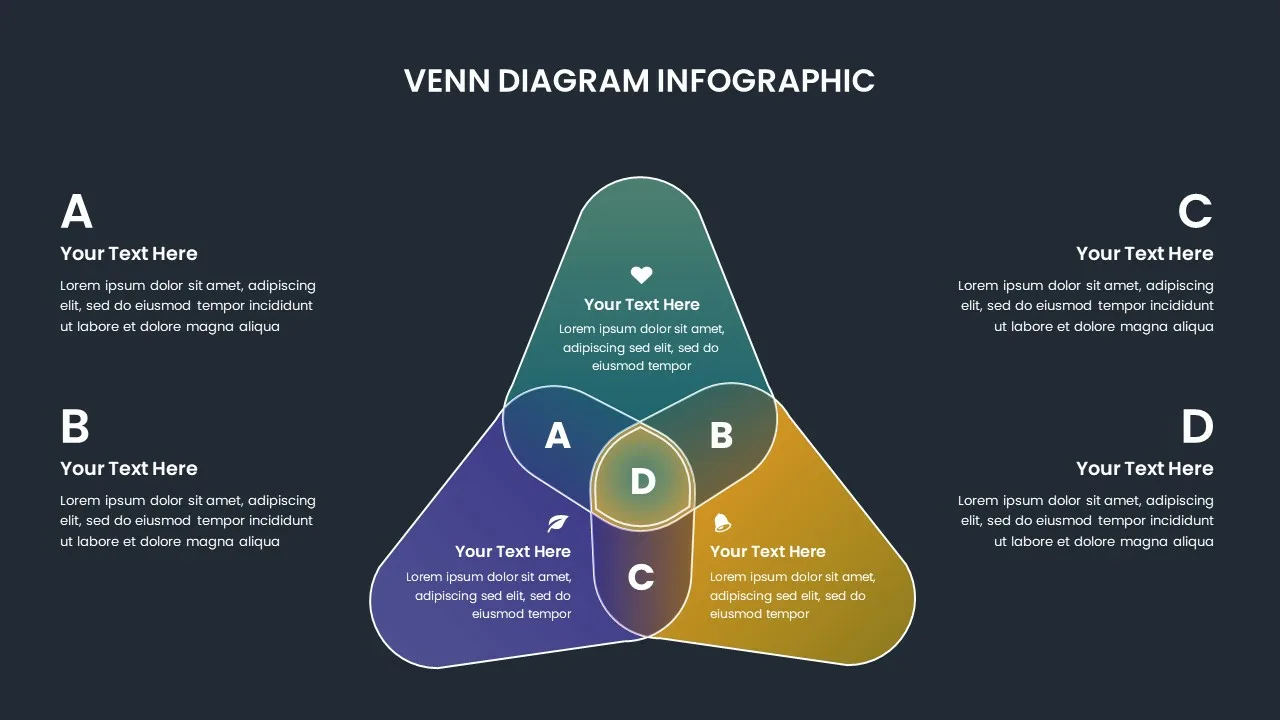
Venn Diagram Presentation Template for Google Slides SlideKit

Venn Diagram Template Google Slides
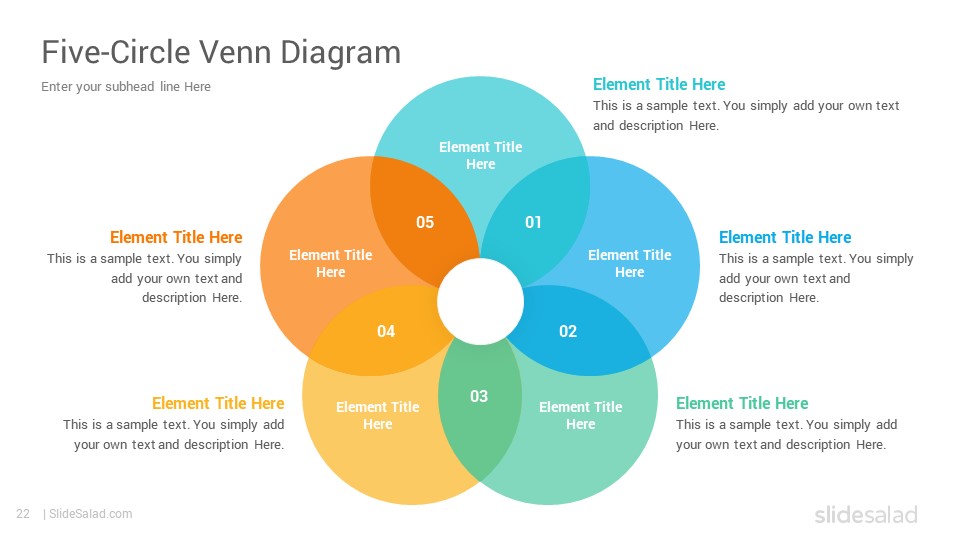
Venn Diagram Template Google Slides
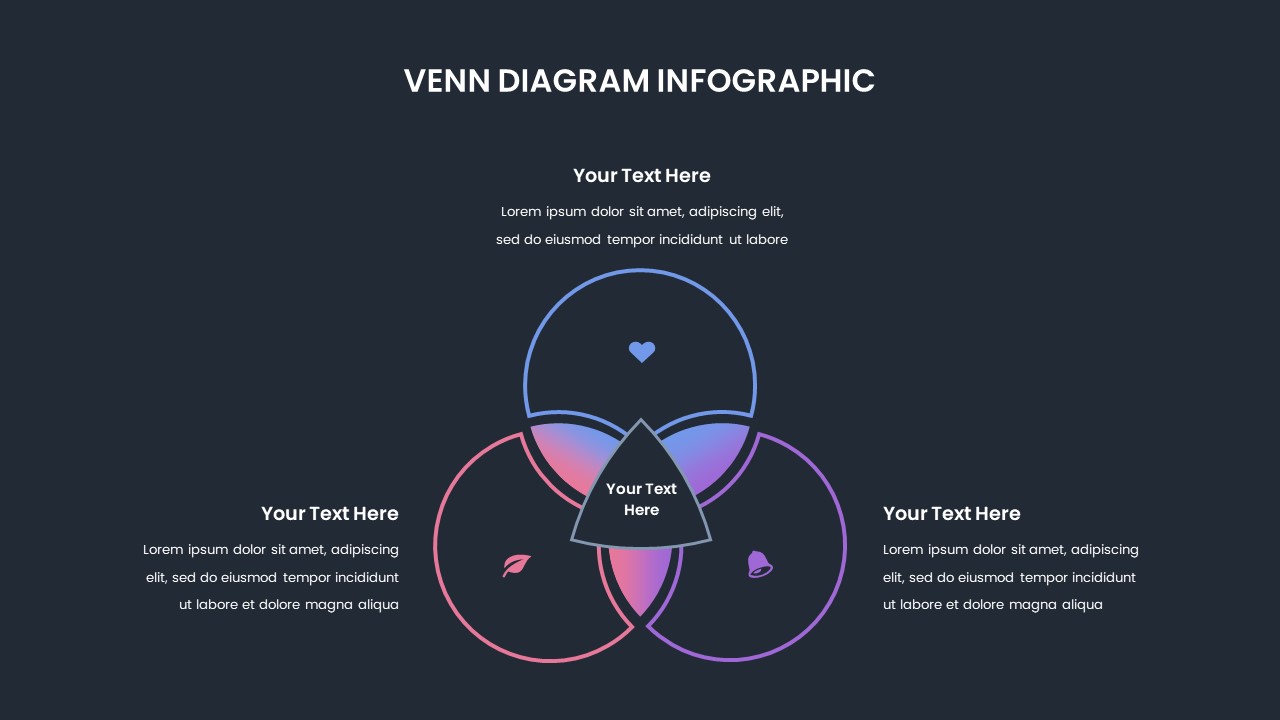
Venn Diagram Presentation Template for Google Slides SlideKit
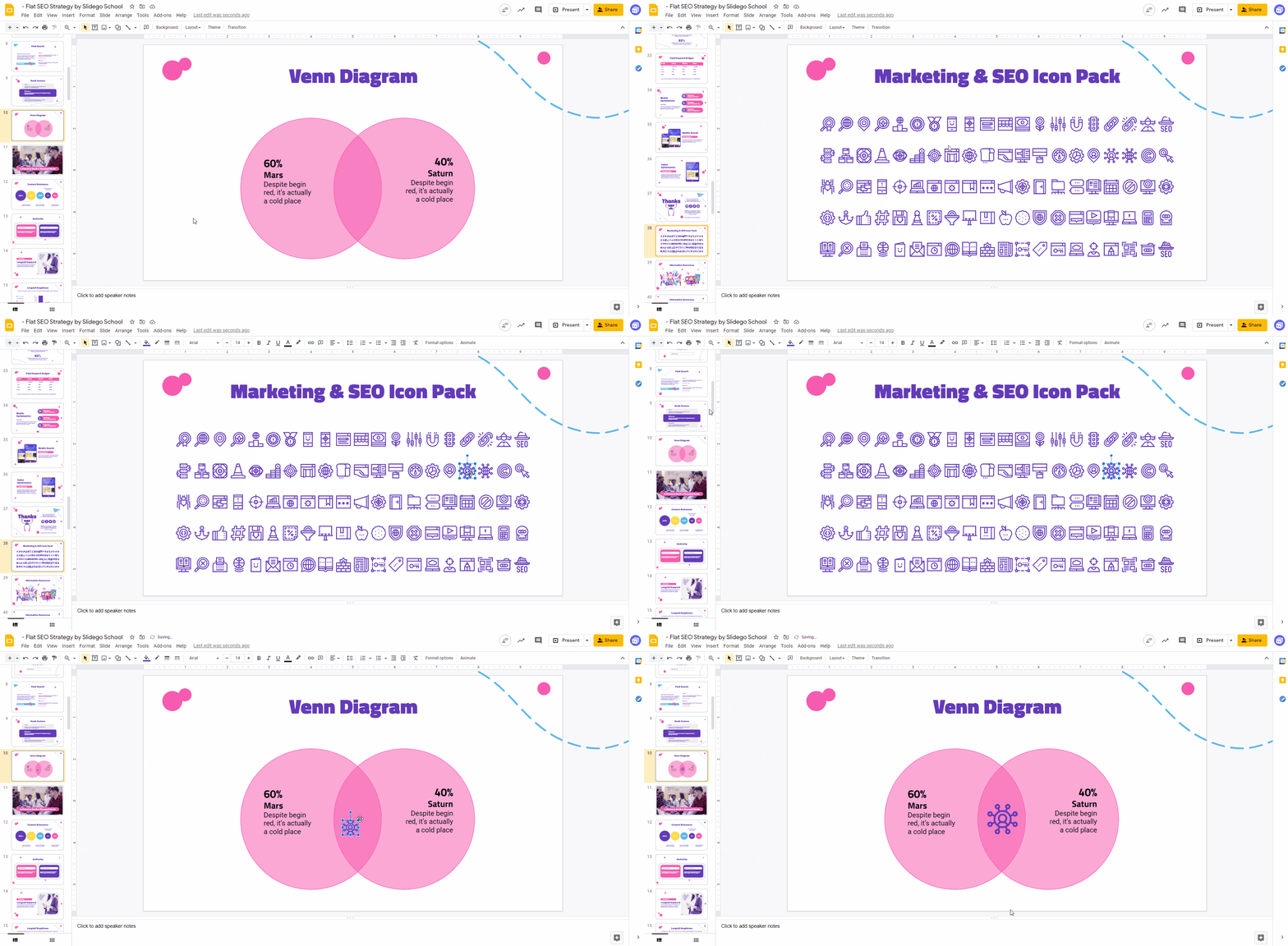
Venn Diagram Template For Google Slides Printable Word Searches
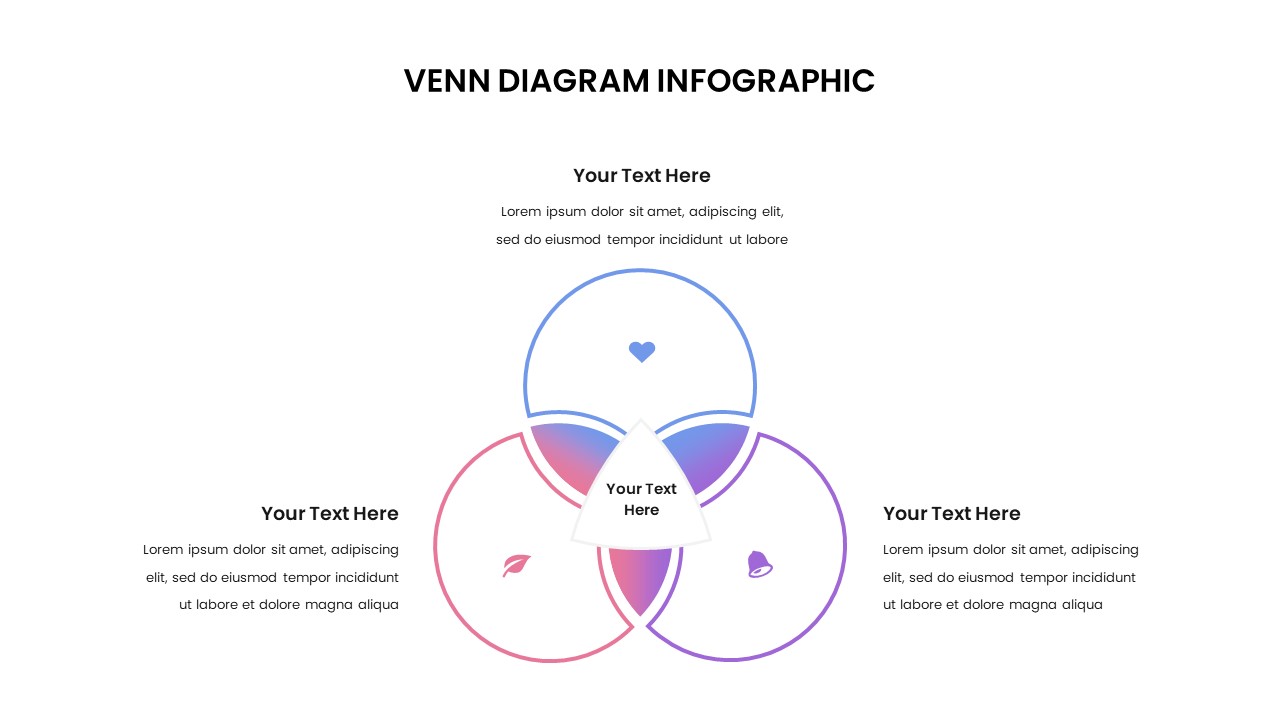
Venn Diagram Presentation Template for Google Slides SlideKit

Venn Diagram Google Slides Template Printable Word Searches

How to create a Venn Diagram in Google Slides? Mister Slides
The Signal’s Changing Amplitude (Mapped On The Vertical Axis) Is Plotted Over The Horizontal Axis, Time.
This Application Note Will Introduce Time Domain And Dtf Measurement Techniques For Identifying The Location And Relative Amplitudes Of Discontinuities While Operating In The Field.
Everything Happens In Time Domain, I.e.
Related Post: