
Msg Template
Msg Template - But are these claims actually true, and. Monosodium glutamate (msg) is a flavor enhancer that has been widely used for roughly 100 years. It's made from sodium and l. Monosodium glutamate (msg) is a salt form of glutamic acid, an amino acid naturally found in the body and many foods. Suddenly, msg was said to be associated with all kinds of health. Both are naturally in food such as cheese, tomatoes,. In fact, claims surrounding monosodium glutamate include links to headaches, nausea, skin irritation, irregular heart beat, and more. Glutamate is a form of the amino acid glutamic acid. Monosodium glutamate (msg), also known as sodium glutamate, is a sodium salt of glutamic acid. Many people associate it with asian cuisine, though it is an ingredient in a. But are these claims actually true, and. It's made from sodium and l. Msg been used as a flavor enhancer in since the early 1900s, but it started to get a bad rap in the late 1960s. Msg is a flavor enhancer that's frequently added to canned vegetables, soups, deli meats, and restaurant foods to lend a savory, rich flavor. Both are naturally in food such as cheese, tomatoes,. Many people associate it with asian cuisine, though it is an ingredient in a. In addition to being naturally present in certain foods, it’s a common food. Suddenly, msg was said to be associated with all kinds of health. Monosodium glutamate (msg) is a controversial food additive that people use to enhance flavor. Monosodium glutamate (msg) is a salt form of glutamic acid, an amino acid naturally found in the body and many foods. Monosodium glutamate (msg) is a controversial food additive that people use to enhance flavor. What is msg—and how to use it to enhance your cooking, according to a chef it's an ingredient with a mixed reputation—and it doesn't deserve it. It's made from sodium and l. Suddenly, msg was said to be associated with all kinds of health. Monosodium glutamate. Monosodium glutamate (msg) is a flavor enhancer that has been widely used for roughly 100 years. But are these claims actually true, and. Monosodium glutamate (msg) is a salt form of glutamic acid, an amino acid naturally found in the body and many foods. Many people associate it with asian cuisine, though it is an ingredient in a. It's made. Monosodium glutamate (msg) is a flavor enhancer that has been widely used for roughly 100 years. Monosodium glutamate, also called msg, is used to make food taste better. Msg is a flavor enhancer that's frequently added to canned vegetables, soups, deli meats, and restaurant foods to lend a savory, rich flavor. But are these claims actually true, and. It's made. Monosodium glutamate (msg) is a flavor enhancer that has been widely used for roughly 100 years. Msg been used as a flavor enhancer in since the early 1900s, but it started to get a bad rap in the late 1960s. Monosodium glutamate (msg) is a controversial food additive that people use to enhance flavor. In addition to being naturally present. Monosodium glutamate (msg) is a salt form of glutamic acid, an amino acid naturally found in the body and many foods. In fact, claims surrounding monosodium glutamate include links to headaches, nausea, skin irritation, irregular heart beat, and more. Msg been used as a flavor enhancer in since the early 1900s, but it started to get a bad rap in. Msg been used as a flavor enhancer in since the early 1900s, but it started to get a bad rap in the late 1960s. It's made from sodium and l. In fact, claims surrounding monosodium glutamate include links to headaches, nausea, skin irritation, irregular heart beat, and more. Msg is a flavor enhancer that's frequently added to canned vegetables, soups,. It's made from sodium and l. But are these claims actually true, and. Monosodium glutamate (msg), also known as sodium glutamate, is a sodium salt of glutamic acid. It is used as an ingredient to make foods taste umami or. Msg is a flavor enhancer that's frequently added to canned vegetables, soups, deli meats, and restaurant foods to lend a. Both are naturally in food such as cheese, tomatoes,. Monosodium glutamate (msg) is a salt form of glutamic acid, an amino acid naturally found in the body and many foods. In fact, claims surrounding monosodium glutamate include links to headaches, nausea, skin irritation, irregular heart beat, and more. Monosodium glutamate (msg) is a flavor enhancer that has been widely used. Monosodium glutamate (msg) is a flavor enhancer that has been widely used for roughly 100 years. Msg is a flavor enhancer that's frequently added to canned vegetables, soups, deli meats, and restaurant foods to lend a savory, rich flavor. Monosodium glutamate, also called msg, is used to make food taste better. Monosodium glutamate (msg) is a salt form of glutamic. Monosodium glutamate (msg) is a salt form of glutamic acid, an amino acid naturally found in the body and many foods. Monosodium glutamate (msg) is a flavor enhancer that has been widely used for roughly 100 years. Many people associate it with asian cuisine, though it is an ingredient in a. Msg is a flavor enhancer that's frequently added to. It's made from sodium and l. Glutamate is a form of the amino acid glutamic acid. But are these claims actually true, and. Monosodium glutamate, also called msg, is used to make food taste better. Monosodium glutamate (msg) is a salt form of glutamic acid, an amino acid naturally found in the body and many foods. Msg is a flavor enhancer that's frequently added to canned vegetables, soups, deli meats, and restaurant foods to lend a savory, rich flavor. Both are naturally in food such as cheese, tomatoes,. Suddenly, msg was said to be associated with all kinds of health. Monosodium glutamate (msg) is a flavor enhancer that has been widely used for roughly 100 years. In addition to being naturally present in certain foods, it’s a common food. It is used as an ingredient to make foods taste umami or. Monosodium glutamate (msg) is a controversial food additive that people use to enhance flavor. In fact, claims surrounding monosodium glutamate include links to headaches, nausea, skin irritation, irregular heart beat, and more.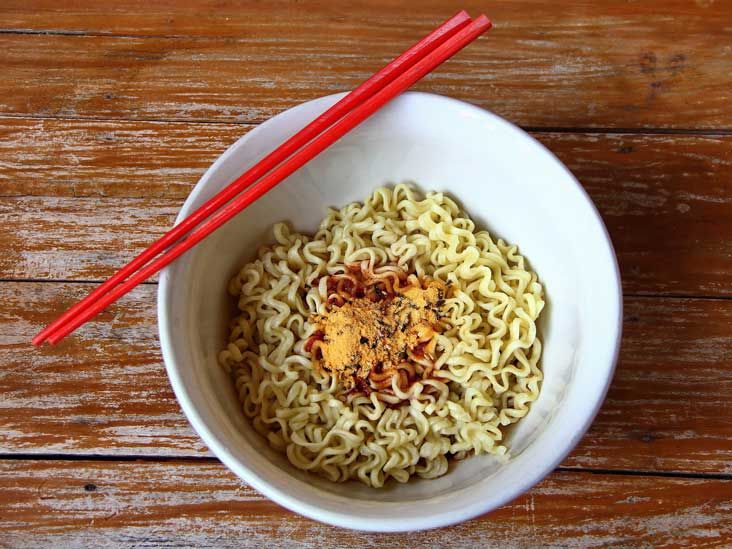
Is MSG Truly Unhealthy? All You Need to Know
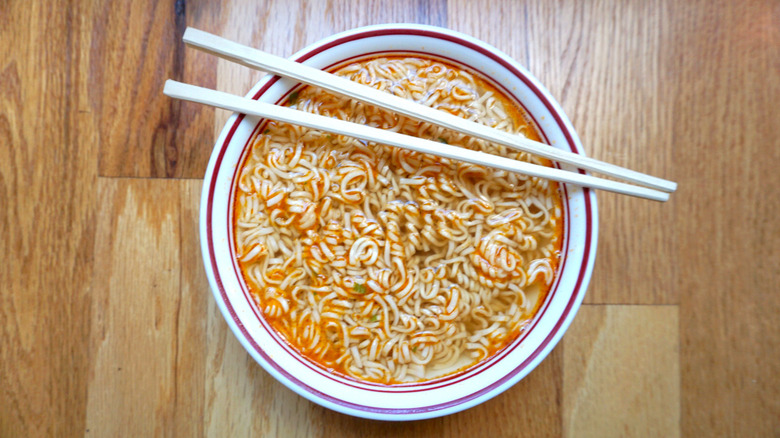
16 Instant Soup Brands, Ranked
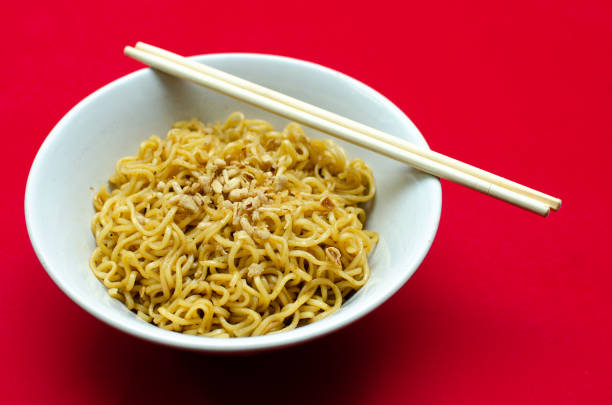
220+ Indomie Goreng Stock Photos, Pictures & RoyaltyFree Images iStock
![[homemade] Top Ramen r/food](https://i.redd.it/nw1fl1iy50b91.jpg)
[homemade] Top Ramen r/food

7 dangers of eating Too much "instant noodles"
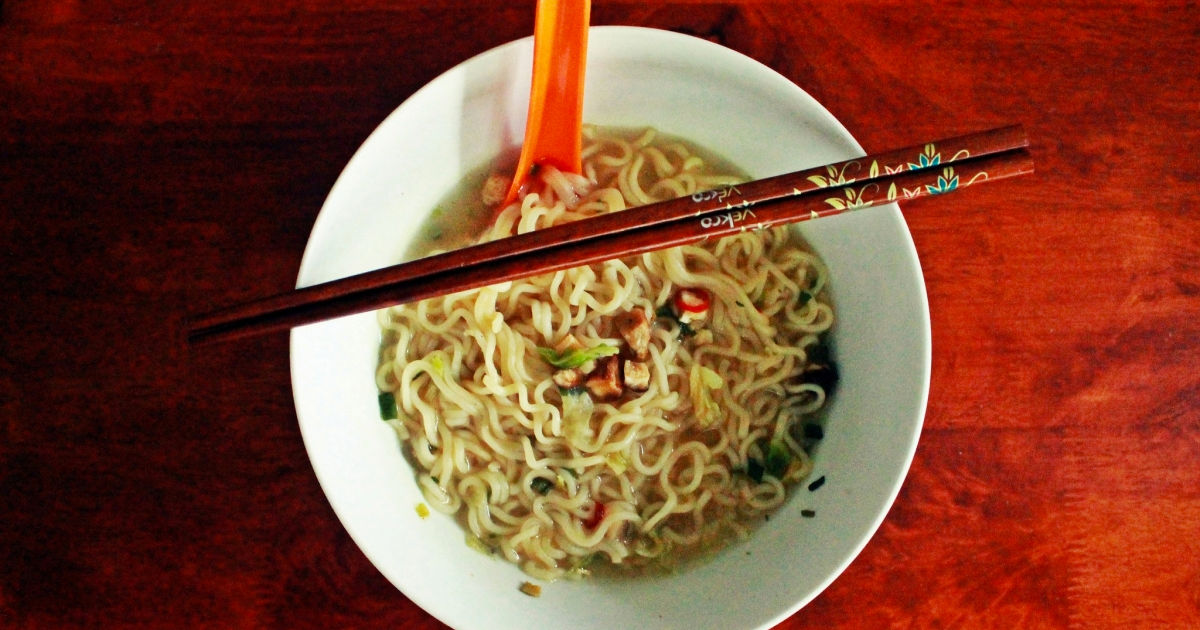
Maggi Is Taking Other Instant Noodles Down Along With It. Knorr Next In
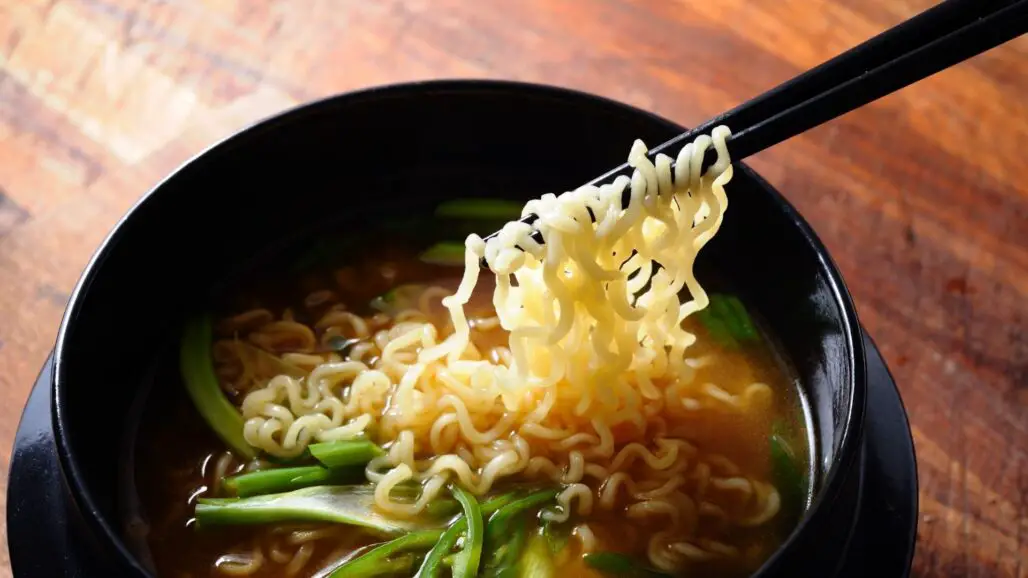
MSG Headache The Controversy, the Facts and the Real Story Migraine

A Bowl of Noodles from a Stranger Wisdom Quotes & Stories
Indomie Mi Goreng Stock Photos, Pictures & RoyaltyFree Images iStock

Fast Food, Chinese Noodles with Spices Stock Image Image of noodles
Msg Been Used As A Flavor Enhancer In Since The Early 1900S, But It Started To Get A Bad Rap In The Late 1960S.
Many People Associate It With Asian Cuisine, Though It Is An Ingredient In A.
Monosodium Glutamate (Msg), Also Known As Sodium Glutamate, Is A Sodium Salt Of Glutamic Acid.
What Is Msg—And How To Use It To Enhance Your Cooking, According To A Chef It's An Ingredient With A Mixed Reputation—And It Doesn't Deserve It.
Related Post:
