
Kokoshnik Crown Template
Kokoshnik Crown Template - Russian tiaras are known by word kokoshnik. L et’s start with the basics — the kokoshnik is a traditional russian headdress. The kokoshnik was one of the most common types of russian headdress. We refer, of course, to that most. Its name is derived from the word “kokosh,” meaning a chicken. Word nerds, take note — the root word (kokosh) means “cock’s comb” in russian. Kokoshnik traditional russian old headdress, a symbol of the russian national costume, beautiful diamond tiara, decorated with embroidery In the russian national costume, a headdress called kokoshnik played a significant role: In much of russia’s european territory it was worn by both peasant women and merchant and bourgeoisie. Today the headdress kokoshnik is a part of russian traditional costume. The kokoshnik tradition has existed since the 10th. In the russian national costume, a headdress called kokoshnik played a significant role: A kokoshnik is an ancient headdress of a married woman, one of the symbols of russian costume. Word nerds, take note — the root word (kokosh) means “cock’s comb” in russian. Today the headdress kokoshnik is a part of russian traditional costume. In much of russia’s european territory it was worn by both peasant women and merchant and bourgeoisie. Kokoshniks presented in our shop are handmade and skillfully decorated. The kokoshnik was one of the most common types of russian headdress. Russian tiaras are known by word kokoshnik. L et’s start with the basics — the kokoshnik is a traditional russian headdress. [kɐˈkoʂnʲɪk]) is a traditional russian headdress worn by women and girls to accompany the sarafan. L et’s start with the basics — the kokoshnik is a traditional russian headdress. In the russian national costume, a headdress called kokoshnik played a significant role: One such term is the kokoshnik —a word that instantly conjures images of ornate headdresses, resplendent in embroidery. A kokoshnik is an ancient headdress of a married woman, one of the symbols of russian costume. Its name is derived from the word “kokosh,” meaning a chicken. One such term is the kokoshnik —a word that instantly conjures images of ornate headdresses, resplendent in embroidery and pearls, worn by russian women. The kokoshnik was one of the most common. A kokoshnik is an ancient headdress of a married woman, one of the symbols of russian costume. Kokoshnik traditional russian old headdress, a symbol of the russian national costume, beautiful diamond tiara, decorated with embroidery Today the headdress kokoshnik is a part of russian traditional costume. In the russian national costume, a headdress called kokoshnik played a significant role: L. Its name is derived from the word “kokosh,” meaning a chicken. The kokoshnik tradition has existed since the 10th. Kokoshniks presented in our shop are handmade and skillfully decorated. In much of russia’s european territory it was worn by both peasant women and merchant and bourgeoisie. The kokoshnik was one of the most common types of russian headdress. A kokoshnik is an ancient headdress of a married woman, one of the symbols of russian costume. [kɐˈkoʂnʲɪk]) is a traditional russian headdress worn by women and girls to accompany the sarafan. Russian tiaras are known by word kokoshnik. The kokoshnik tradition has existed since the 10th. One such term is the kokoshnik —a word that instantly conjures images of. Today the headdress kokoshnik is a part of russian traditional costume. Kokoshnik traditional russian old headdress, a symbol of the russian national costume, beautiful diamond tiara, decorated with embroidery L et’s start with the basics — the kokoshnik is a traditional russian headdress. We refer, of course, to that most. Russian tiaras are known by word kokoshnik. A kokoshnik is an ancient headdress of a married woman, one of the symbols of russian costume. Its name is derived from the word “kokosh,” meaning a chicken. One such term is the kokoshnik —a word that instantly conjures images of ornate headdresses, resplendent in embroidery and pearls, worn by russian women. L et’s start with the basics — the. The kokoshnik was one of the most common types of russian headdress. Kokoshniks presented in our shop are handmade and skillfully decorated. The kokoshnik tradition has existed since the 10th. In much of russia’s european territory it was worn by both peasant women and merchant and bourgeoisie. Word nerds, take note — the root word (kokosh) means “cock’s comb” in. L et’s start with the basics — the kokoshnik is a traditional russian headdress. In much of russia’s european territory it was worn by both peasant women and merchant and bourgeoisie. Kokoshnik traditional russian old headdress, a symbol of the russian national costume, beautiful diamond tiara, decorated with embroidery The kokoshnik was one of the most common types of russian. [kɐˈkoʂnʲɪk]) is a traditional russian headdress worn by women and girls to accompany the sarafan. A kokoshnik is an ancient headdress of a married woman, one of the symbols of russian costume. Today the headdress kokoshnik is a part of russian traditional costume. The kokoshnik tradition has existed since the 10th. Russian tiaras are known by word kokoshnik. Kokoshnik traditional russian old headdress, a symbol of the russian national costume, beautiful diamond tiara, decorated with embroidery In much of russia’s european territory it was worn by both peasant women and merchant and bourgeoisie. L et’s start with the basics — the kokoshnik is a traditional russian headdress. A kokoshnik is an ancient headdress of a married woman, one of the symbols of russian costume. Kokoshniks presented in our shop are handmade and skillfully decorated. Russian tiaras are known by word kokoshnik. The kokoshnik tradition has existed since the 10th. We refer, of course, to that most. [kɐˈkoʂnʲɪk]) is a traditional russian headdress worn by women and girls to accompany the sarafan. The kokoshnik was one of the most common types of russian headdress. One such term is the kokoshnik —a word that instantly conjures images of ornate headdresses, resplendent in embroidery and pearls, worn by russian women. Word nerds, take note — the root word (kokosh) means “cock’s comb” in russian.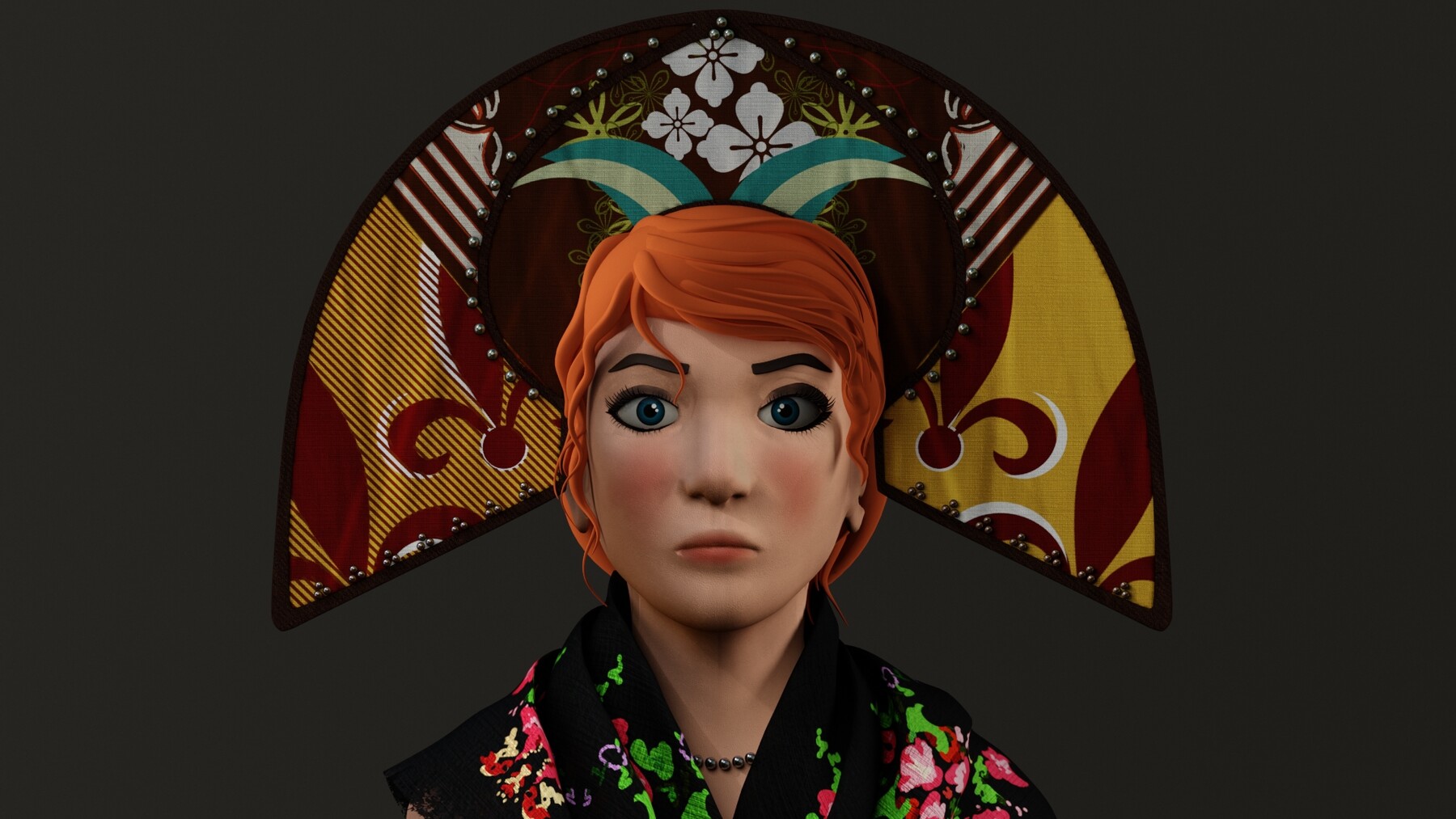
ArtStation Kokoshnik crown Resources
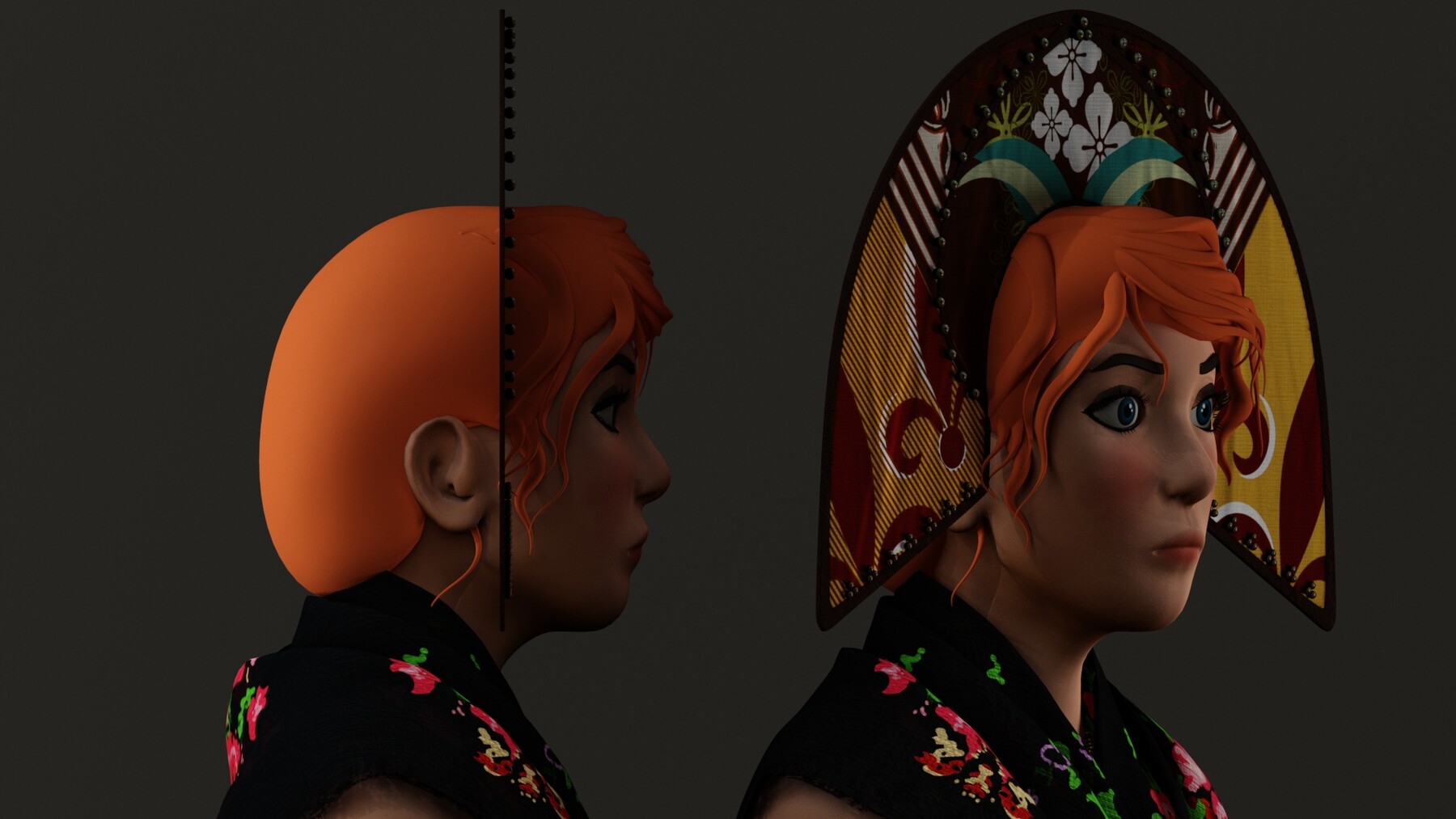
ArtStation Kokoshnik crown Resources
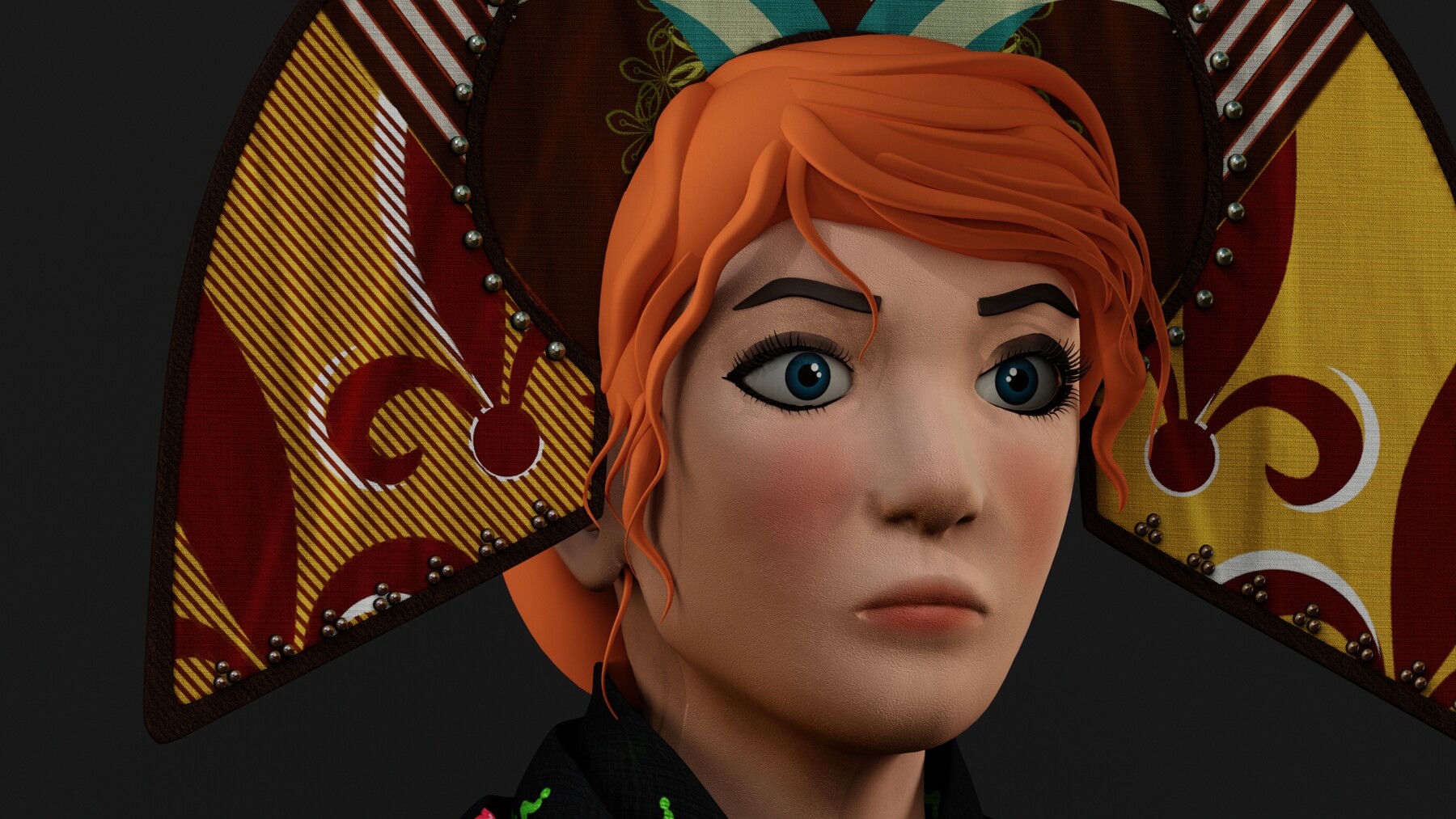
ArtStation Kokoshnik crown Resources

Simple Template Russian Kokoshnik Traditional Russian National
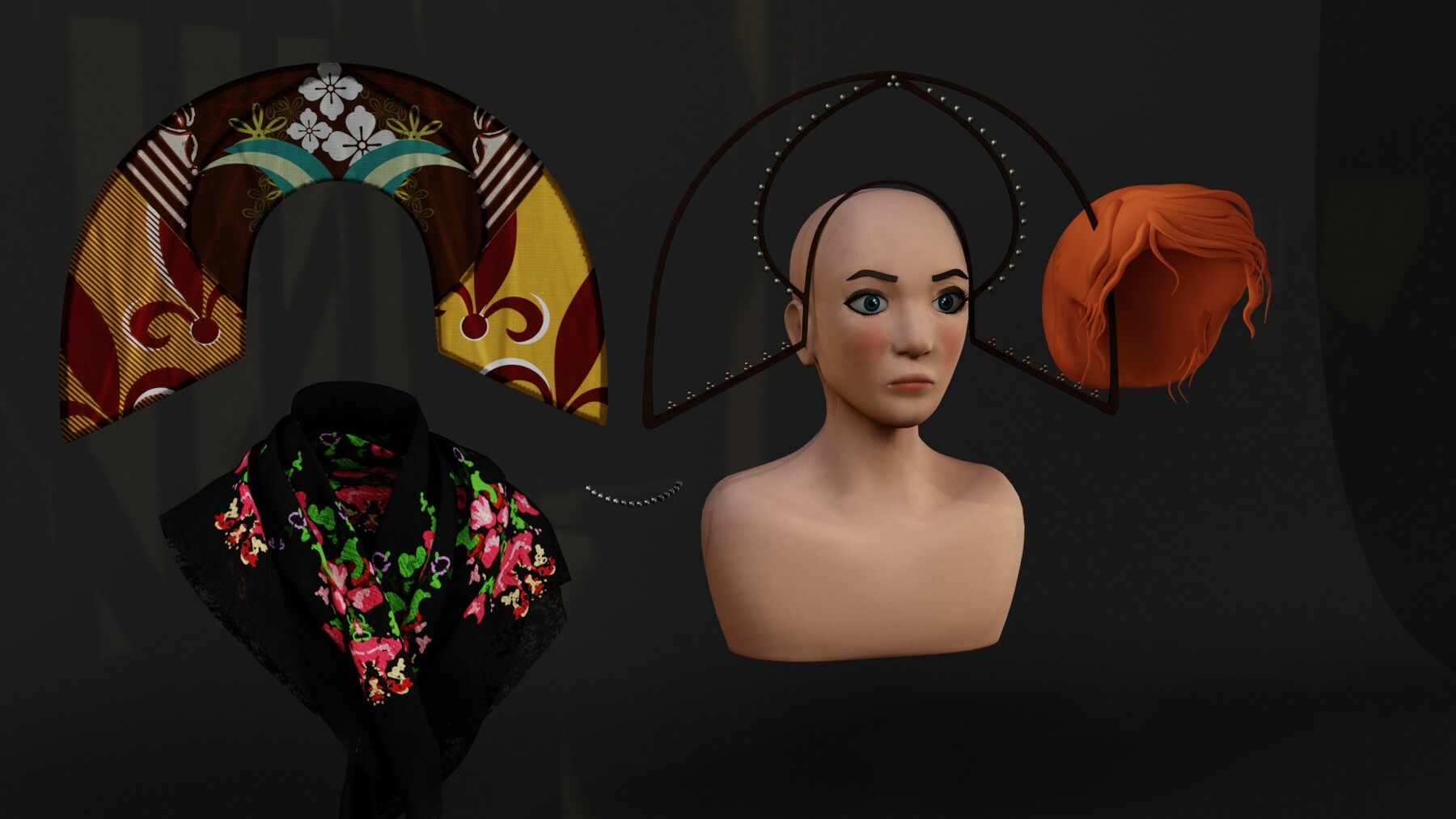
ArtStation Kokoshnik crown Resources

ArtStation Kokoshnik crown Resources

FREE Crown Templates & Examples Edit Online & Download

ArtStation Kokoshnik crown Resources
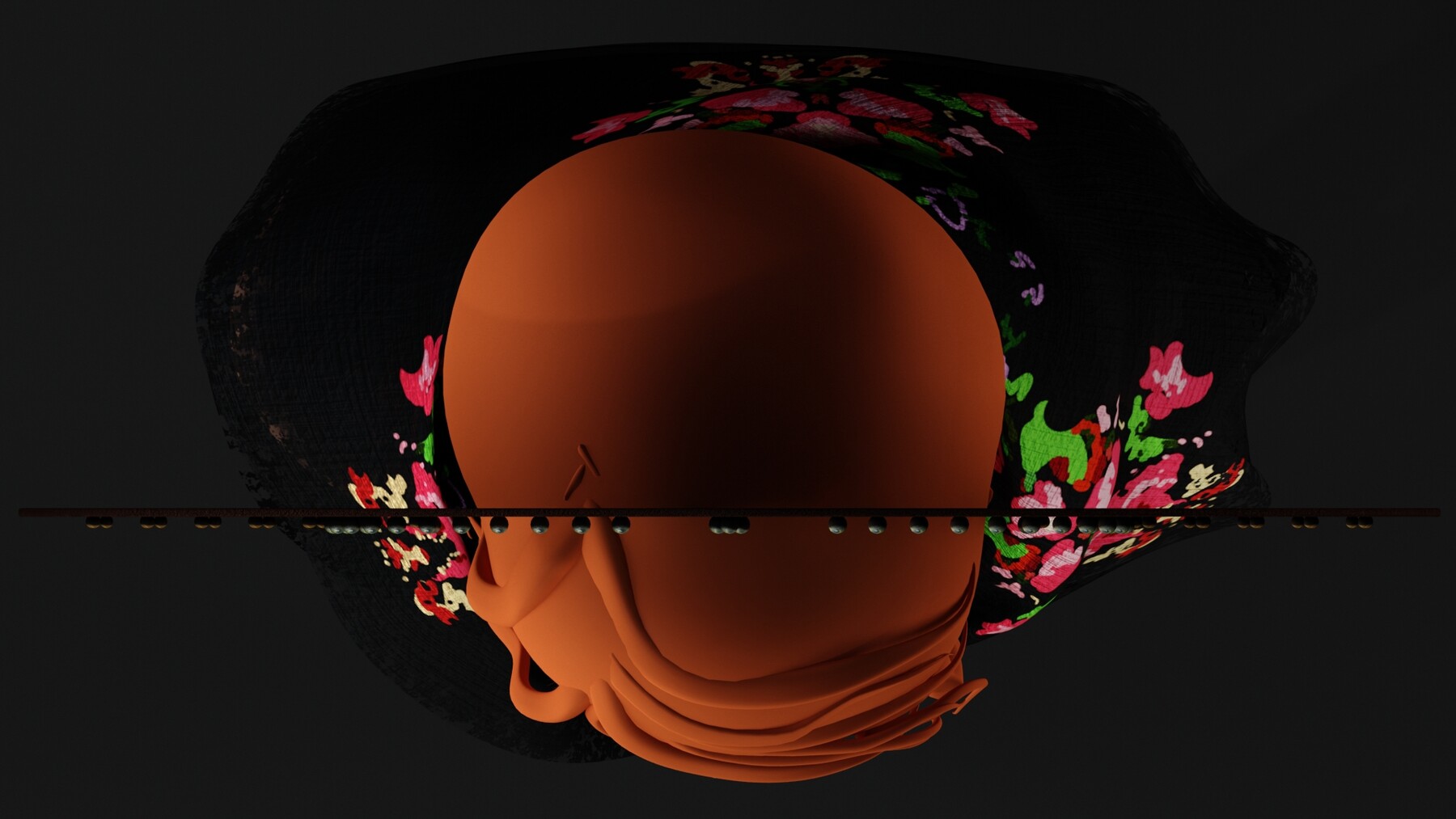
ArtStation Kokoshnik crown Resources
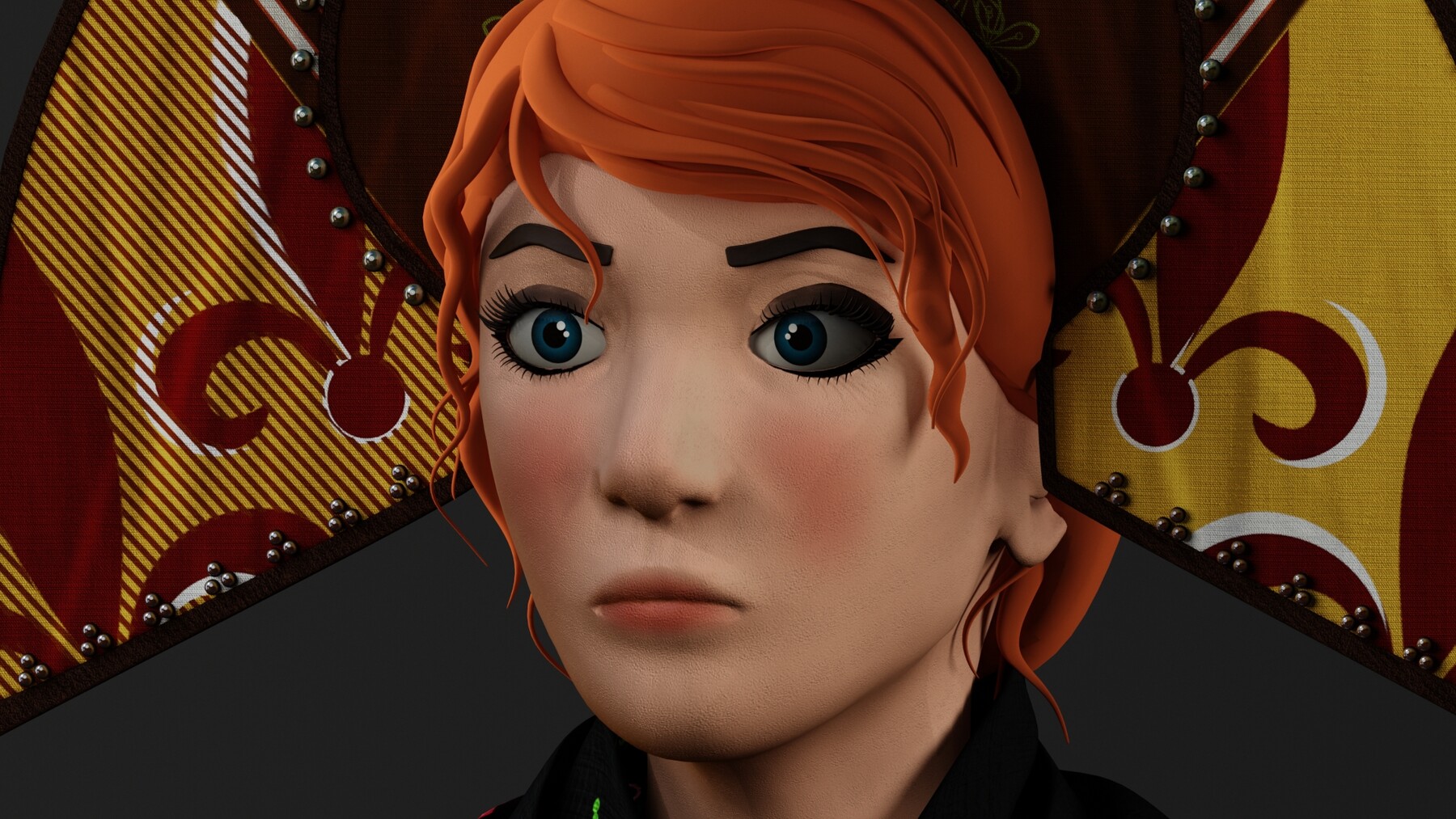
ArtStation Kokoshnik crown Resources
Its Name Is Derived From The Word “Kokosh,” Meaning A Chicken.
Today The Headdress Kokoshnik Is A Part Of Russian Traditional Costume.
In The Russian National Costume, A Headdress Called Kokoshnik Played A Significant Role:
Related Post: