
Insertion Order Template
Insertion Order Template - They help maintain body temperature and act as cushions. One of the primary roles of fats is energy storage. Fat helps give your body energy, protects your organs, supports cell growth, keeps cholesterol and blood pressure under control, and helps your body absorb vital. Triglycerides, cholesterol, and other essential fatty acids—the fats our bodies can’t make on their own—store energy, insulate us, and protect our vital organs. Learn about what eating fat can do to your body, the different types of fat, how we use fat for energy, and why it's a good thing to eat fat. The body stores excess energy from food as fat in adipose tissue. As well as providing the body with energy, fats play an important role in the regulation of body temperature, the reduction of inflammation, blood clotting and brain development. This stored fat serves as a reserve that the body can tap into when needed. Your body needs lipids, including fats, to do certain jobs. Fats belong to a type of lipid called triglycerides. Your body needs lipids, including fats, to do certain jobs. Triglycerides, cholesterol and other essential fatty acids—the scientific term for fats the body can’t make on its own—store energy, insulate us and protect our vital organs. The body stores excess energy from food as fat in adipose tissue. This stored fat serves as a reserve that the body can tap into when needed. Dietary fat is the fat that comes from food. Fats belong to a type of lipid called triglycerides. One of the primary roles of fats is energy storage. As well as providing the body with energy, fats play an important role in the regulation of body temperature, the reduction of inflammation, blood clotting and brain development. They help maintain body temperature and act as cushions. Learn about what eating fat can do to your body, the different types of fat, how we use fat for energy, and why it's a good thing to eat fat. And lipids help store or. This stored fat serves as a reserve that the body can tap into when needed. Fat helps give your body energy, protects your organs, supports cell growth, keeps cholesterol and blood pressure under control, and helps your body absorb vital. Triglycerides, cholesterol, and other essential fatty acids—the fats our bodies can’t make on their own—store. Fat is an important part of your diet, but some kinds are healthier than others. Triglycerides, cholesterol and other essential fatty acids—the scientific term for fats the body can’t make on its own—store energy, insulate us and protect our vital organs. They help maintain body temperature and act as cushions. And lipids help store or. Find out which to choose. Triglycerides, cholesterol and other essential fatty acids—the scientific term for fats the body can’t make on its own—store energy, insulate us and protect our vital organs. Your body needs lipids, including fats, to do certain jobs. Healthy fats provide a number of benefits for your body and your brain. Find out which to choose and which to avoid. Dietary fat. Dietary fat is the fat that comes from food. The body stores excess energy from food as fat in adipose tissue. Healthy fats provide a number of benefits for your body and your brain. One of the primary roles of fats is energy storage. Triglycerides, cholesterol, and other essential fatty acids—the fats our bodies can’t make on their own—store energy,. Dietary fat is the fat that comes from food. Triglycerides, cholesterol, and other essential fatty acids—the fats our bodies can’t make on their own—store energy, insulate us, and protect our vital organs. The body stores excess energy from food as fat in adipose tissue. Your body needs lipids, including fats, to do certain jobs. Fats belong to a type of. And lipids help store or. One of the primary roles of fats is energy storage. As well as providing the body with energy, fats play an important role in the regulation of body temperature, the reduction of inflammation, blood clotting and brain development. Triglycerides, cholesterol, and other essential fatty acids—the fats our bodies can’t make on their own—store energy, insulate. And lipids help store or. Triglycerides, cholesterol, and other essential fatty acids—the fats our bodies can’t make on their own—store energy, insulate us, and protect our vital organs. Dietary fat is the fat that comes from food. Healthy fats provide a number of benefits for your body and your brain. Fat is an important part of your diet, but some. They help maintain body temperature and act as cushions. One of the primary roles of fats is energy storage. As well as providing the body with energy, fats play an important role in the regulation of body temperature, the reduction of inflammation, blood clotting and brain development. Learn about what eating fat can do to your body, the different types. One of the primary roles of fats is energy storage. As well as providing the body with energy, fats play an important role in the regulation of body temperature, the reduction of inflammation, blood clotting and brain development. Find out which to choose and which to avoid. Triglycerides, cholesterol, and other essential fatty acids—the fats our bodies can’t make on. Your body needs lipids, including fats, to do certain jobs. Dietary fat is the fat that comes from food. And lipids help store or. As well as providing the body with energy, fats play an important role in the regulation of body temperature, the reduction of inflammation, blood clotting and brain development. Healthy fats provide a number of benefits for. They help maintain body temperature and act as cushions. Triglycerides, cholesterol, and other essential fatty acids—the fats our bodies can’t make on their own—store energy, insulate us, and protect our vital organs. Fats belong to a type of lipid called triglycerides. Fat helps give your body energy, protects your organs, supports cell growth, keeps cholesterol and blood pressure under control, and helps your body absorb vital. The body stores excess energy from food as fat in adipose tissue. This stored fat serves as a reserve that the body can tap into when needed. Find out which to choose and which to avoid. Learn about what eating fat can do to your body, the different types of fat, how we use fat for energy, and why it's a good thing to eat fat. As well as providing the body with energy, fats play an important role in the regulation of body temperature, the reduction of inflammation, blood clotting and brain development. Healthy fats provide a number of benefits for your body and your brain. Dietary fat is the fat that comes from food. One of the primary roles of fats is energy storage.
Advertising Insertion Order Template in Excel, Word, Pages, Numbers
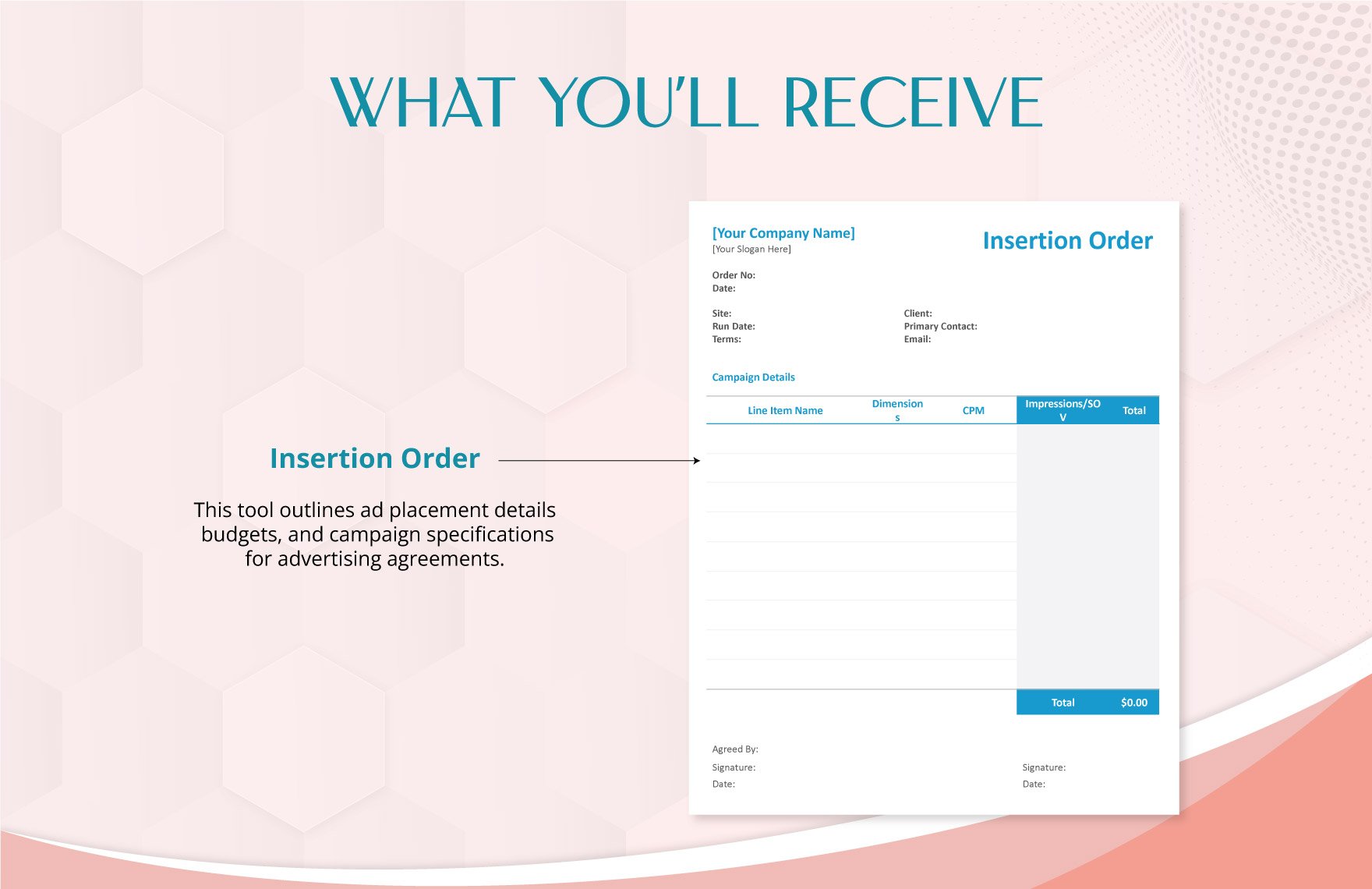
Insertion Order Template in Google Docs, Excel, Apple Pages, Word
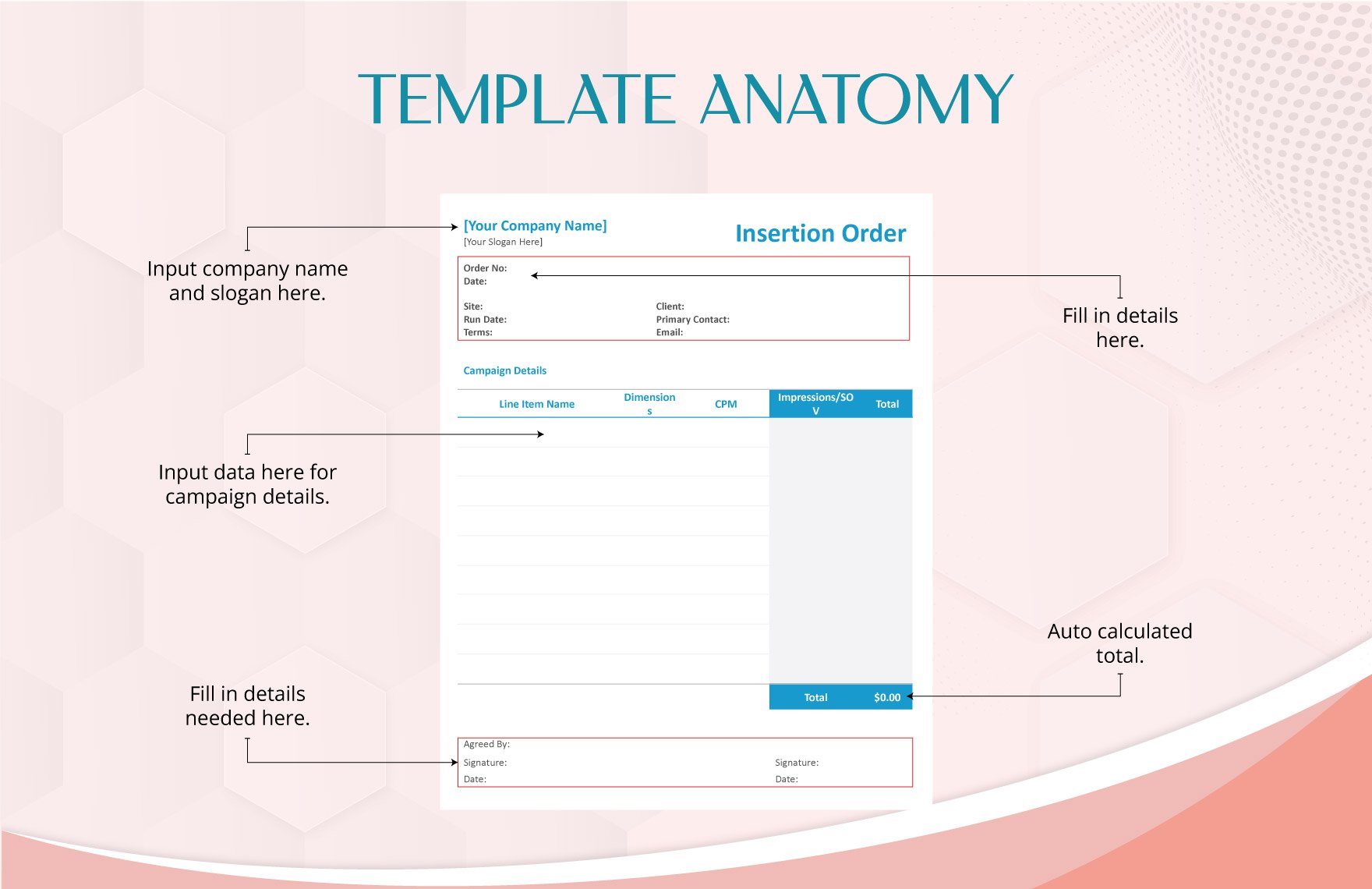
Insertion Order Template in Google Docs, Excel, Apple Pages, Word

Insertion Order Template in Google Docs, Excel, Apple Pages, Word
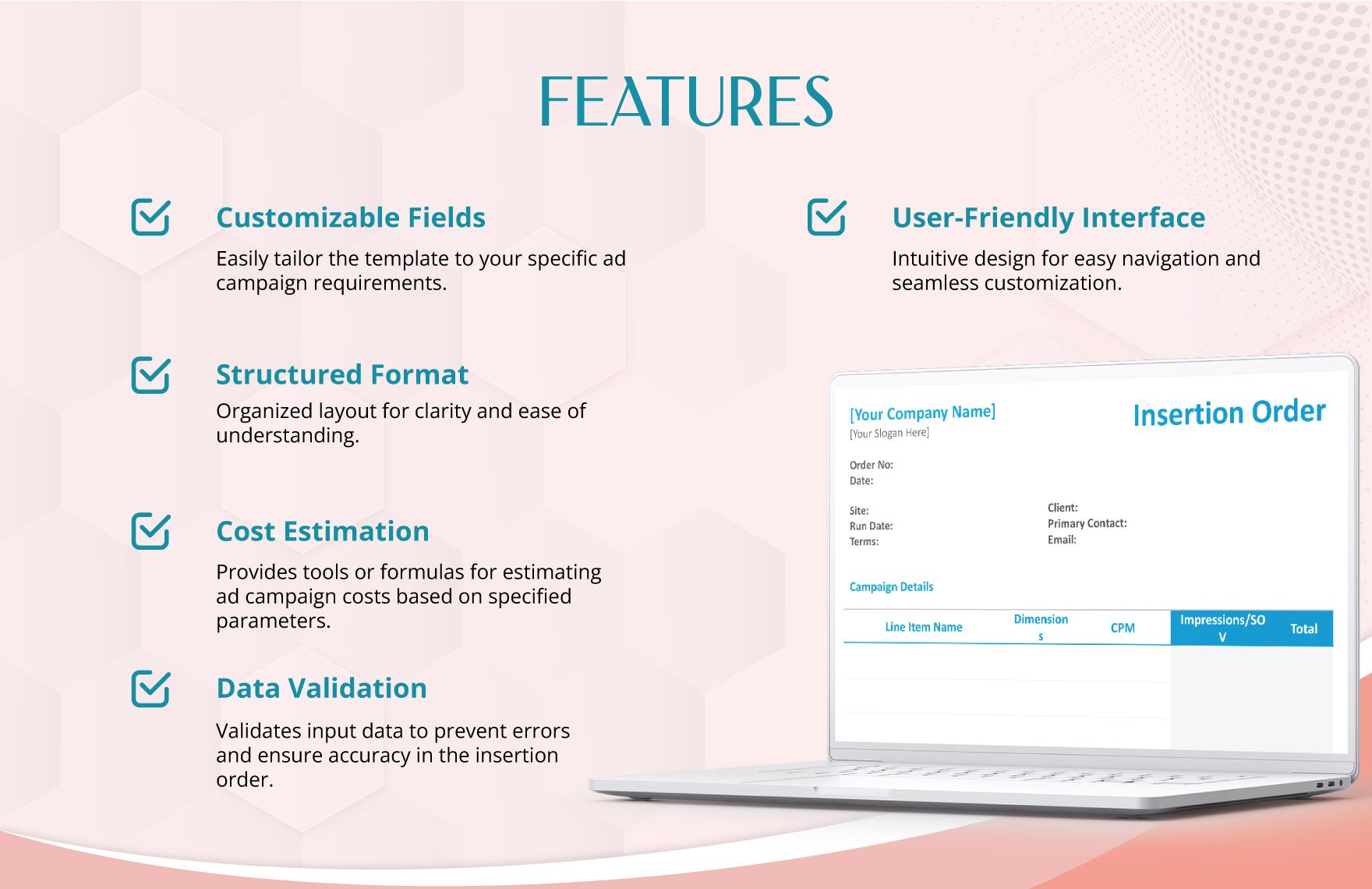
Insertion Order Template in Google Docs, Excel, Apple Pages, Word
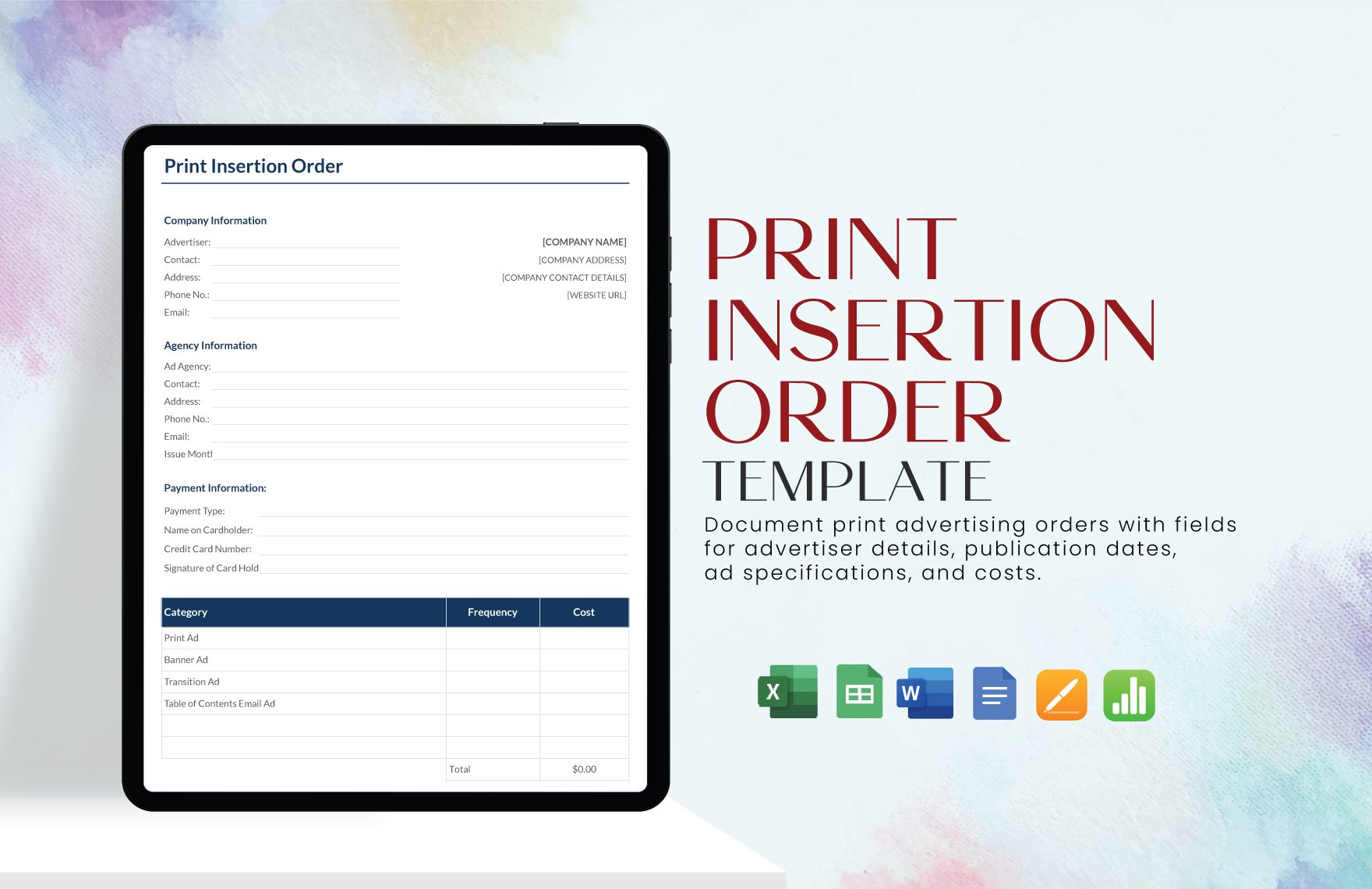
Print Insertion Order Template in Google Docs, Apple Pages, Apple

Advertising Insertion Order Form Template Edit Online & Download
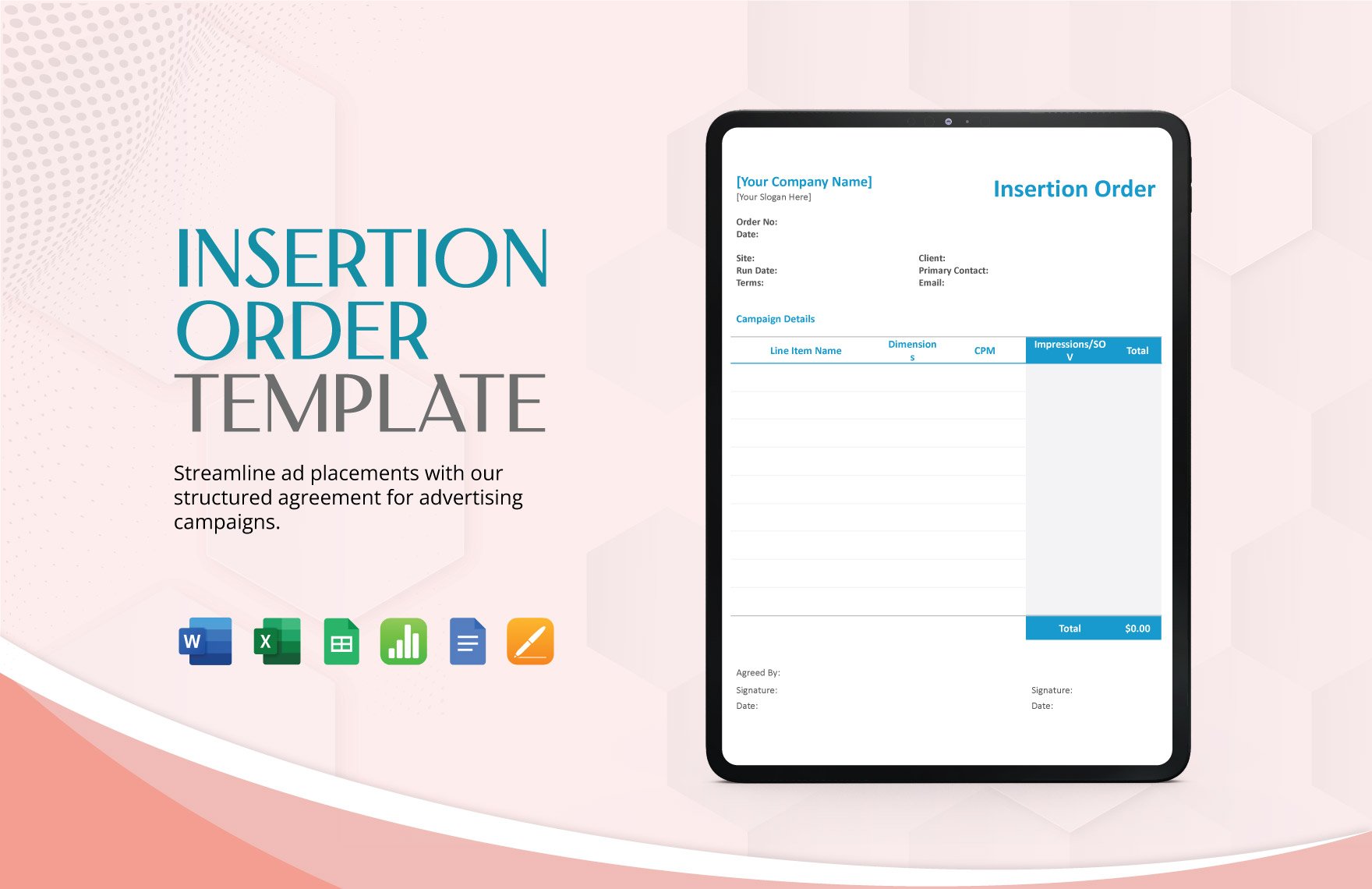
Insertion Order Template in Google Docs, Excel, Apple Pages, Word
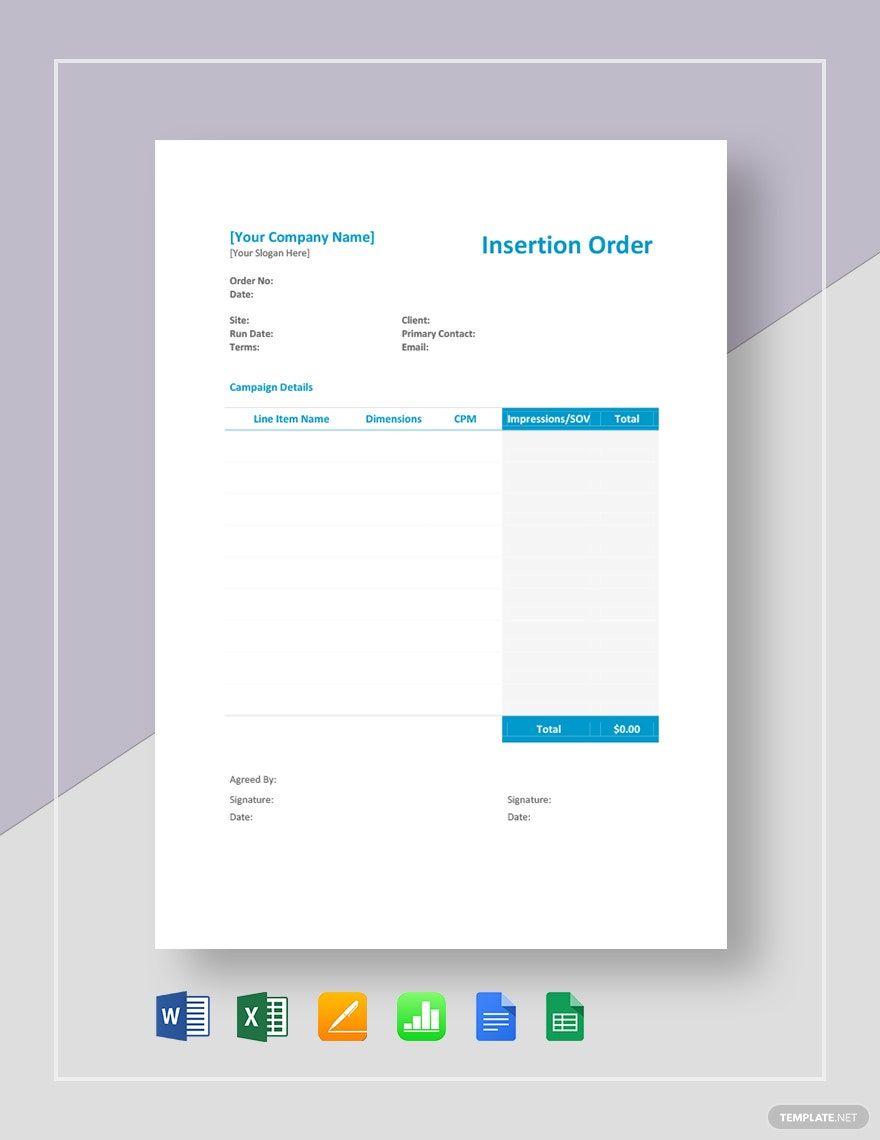
Insertion Order Template in Google Docs, Excel, Pages, Word, Numbers
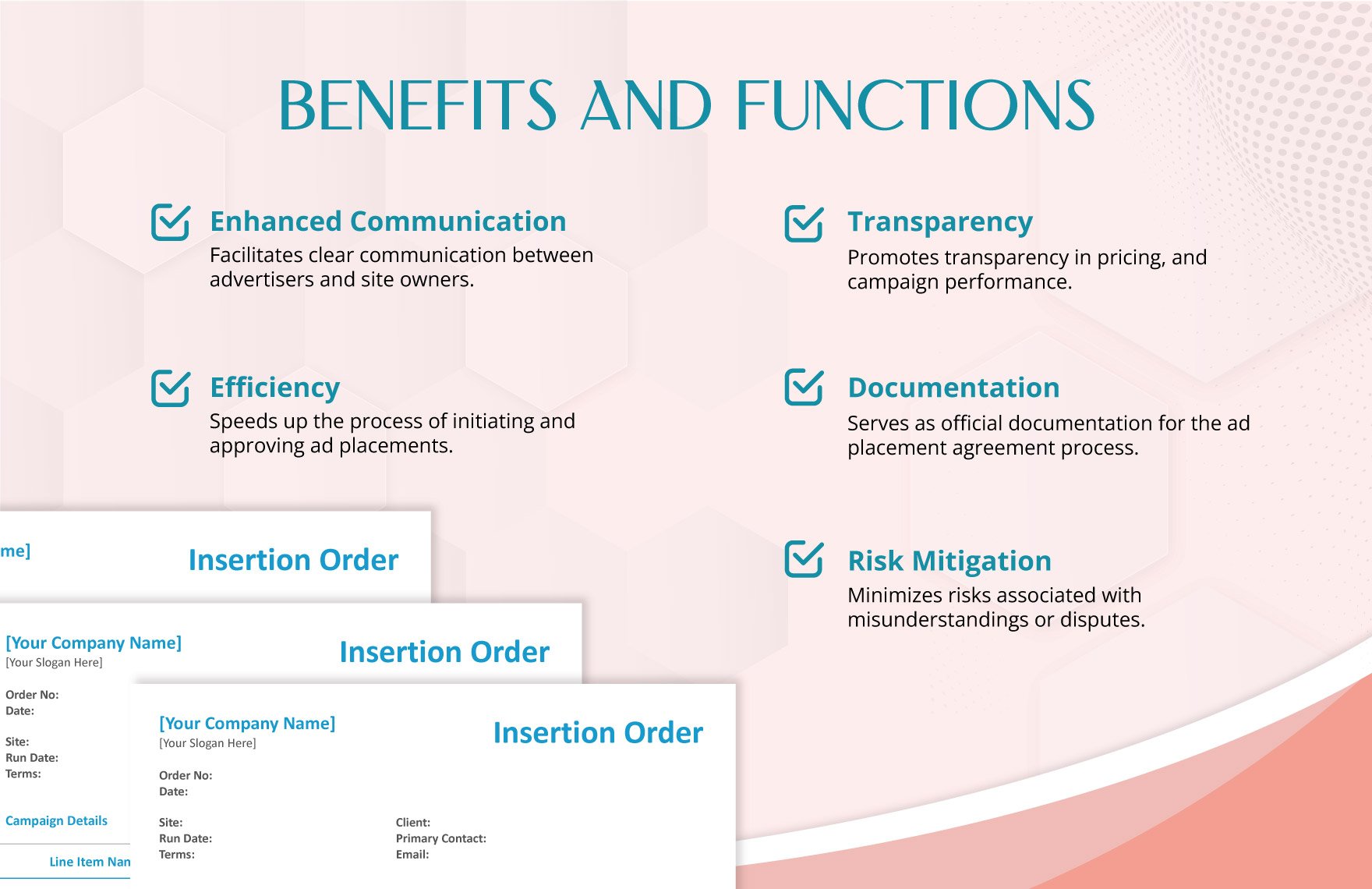
Insertion Order Template in Google Docs, Excel, Apple Pages, Word
Triglycerides, Cholesterol And Other Essential Fatty Acids—The Scientific Term For Fats The Body Can’t Make On Its Own—Store Energy, Insulate Us And Protect Our Vital Organs.
And Lipids Help Store Or.
Your Body Needs Lipids, Including Fats, To Do Certain Jobs.
Fat Is An Important Part Of Your Diet, But Some Kinds Are Healthier Than Others.
Related Post: