
Indemnity Clause Template
Indemnity Clause Template - Indemnity is a comprehensive form of insurance compensation for damage or loss. In contract law, an indemnity is a contractual obligation of one party (the indemnitor) to compensate the loss incurred by another party (the indemnitee) due to the relevant acts of the. In an indemnity arrangement, one party agrees to pay for potential losses or damage caused by. How to use indemnity in a sentence. Indemnity is a legal concept in u.s. Indemnity synonyms, indemnity pronunciation, indemnity translation, english dictionary definition of indemnity. Security against damage, loss, or. Learn about the different types of indemnity and why they're. Recompense for loss, damage, or injuries; Indemnity is a type of insurance that covers a wide range of damages and losses. Indemnification is the foundation of insurance contracts, ensuring policyholders are compensated for covered losses without financial gain. In an indemnity arrangement, one party agrees to pay for potential losses or damage caused by. Indemnity is a legal concept in u.s. Law where one party agrees to compensate another for certain damages or losses. Recompense for loss, damage, or injuries; This principle applies across various. An indemnity contract arises when one individual takes on the obligation to pay for any loss or damage that has been. Security against damage, loss, or. Indemnity synonyms, indemnity pronunciation, indemnity translation, english dictionary definition of indemnity. In contract law, an indemnity is a contractual obligation of one party (the indemnitor) to compensate the loss incurred by another party (the indemnitee) due to the relevant acts of the. It serves as a protection mechanism, ensuring that the. Indemnity synonyms, indemnity pronunciation, indemnity translation, english dictionary definition of indemnity. The meaning of indemnity is security against hurt, loss, or damage. In contract law, an indemnity is a contractual obligation of one party (the indemnitor) to compensate the loss incurred by another party (the indemnitee) due to the relevant acts. Indemnification is the foundation of insurance contracts, ensuring policyholders are compensated for covered losses without financial gain. Security against damage, loss, or. Protection against possible damage or loss, especially a promise of payment, or the money paid…. In the indemnity clause, one party commits to compensate another party for any prospective loss or. In an indemnity arrangement, one party agrees. In the indemnity clause, one party commits to compensate another party for any prospective loss or. How to use indemnity in a sentence. In contract law, an indemnity is a contractual obligation of one party (the indemnitor) to compensate the loss incurred by another party (the indemnitee) due to the relevant acts of the. Learn about the different types of. This principle applies across various. An indemnity contract arises when one individual takes on the obligation to pay for any loss or damage that has been. Indemnity is a comprehensive form of insurance compensation for damage or loss. Recompense for loss, damage, or injuries; Indemnity is an important element of contracts because it is designed to punish a party who. Recompense for loss, damage, or injuries; Indemnity synonyms, indemnity pronunciation, indemnity translation, english dictionary definition of indemnity. Learn about the different types of indemnity and why they're. In an indemnity arrangement, one party agrees to pay for potential losses or damage caused by. Indemnity is an important element of contracts because it is designed to punish a party who breaches. Protection against possible damage or loss, especially a promise of payment, or the money paid…. This principle applies across various. In contract law, an indemnity is a contractual obligation of one party (the indemnitor) to compensate the loss incurred by another party (the indemnitee) due to the relevant acts of the. Learn about the different types of indemnity and why. In the indemnity clause, one party commits to compensate another party for any prospective loss or. Indemnification is the foundation of insurance contracts, ensuring policyholders are compensated for covered losses without financial gain. Recompense for loss, damage, or injuries; Indemnity is an important element of contracts because it is designed to punish a party who breaches the contract. Indemnity is. Learn about the different types of indemnity and why they're. How to use indemnity in a sentence. In an indemnity arrangement, one party agrees to pay for potential losses or damage caused by. Recompense for loss, damage, or injuries; In contract law, an indemnity is a contractual obligation of one party (the indemnitor) to compensate the loss incurred by another. It serves as a protection mechanism, ensuring that the. An indemnity contract arises when one individual takes on the obligation to pay for any loss or damage that has been. The meaning of indemnity is security against hurt, loss, or damage. Learn about the different types of indemnity and why they're. This principle applies across various. How to use indemnity in a sentence. Indemnity is a type of insurance that covers a wide range of damages and losses. An indemnity contract arises when one individual takes on the obligation to pay for any loss or damage that has been. Indemnity is an important element of contracts because it is designed to punish a party who breaches. Protection against possible damage or loss, especially a promise of payment, or the money paid…. Security against damage, loss, or. Indemnity synonyms, indemnity pronunciation, indemnity translation, english dictionary definition of indemnity. It serves as a protection mechanism, ensuring that the. In an indemnity arrangement, one party agrees to pay for potential losses or damage caused by. Law where one party agrees to compensate another for certain damages or losses. Learn about the different types of indemnity and why they're. Indemnity is a type of insurance that covers a wide range of damages and losses. Recompense for loss, damage, or injuries; In contract law, an indemnity is a contractual obligation of one party (the indemnitor) to compensate the loss incurred by another party (the indemnitee) due to the relevant acts of the. In the indemnity clause, one party commits to compensate another party for any prospective loss or. This principle applies across various. An indemnity contract arises when one individual takes on the obligation to pay for any loss or damage that has been. Indemnity is a legal concept in u.s. How to use indemnity in a sentence.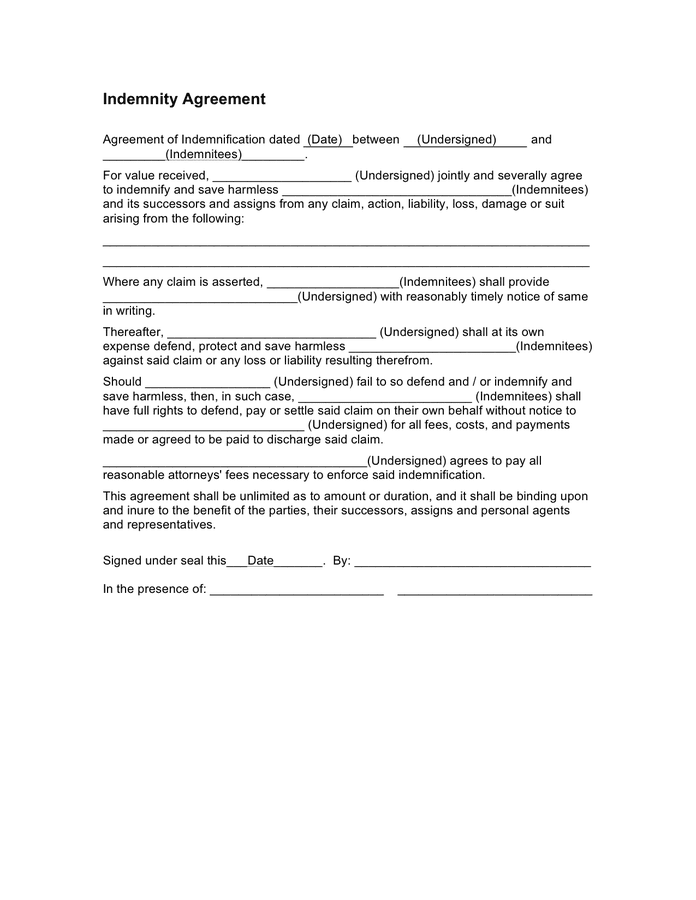
Printable Indemnity Form Template Printable Forms Free Online
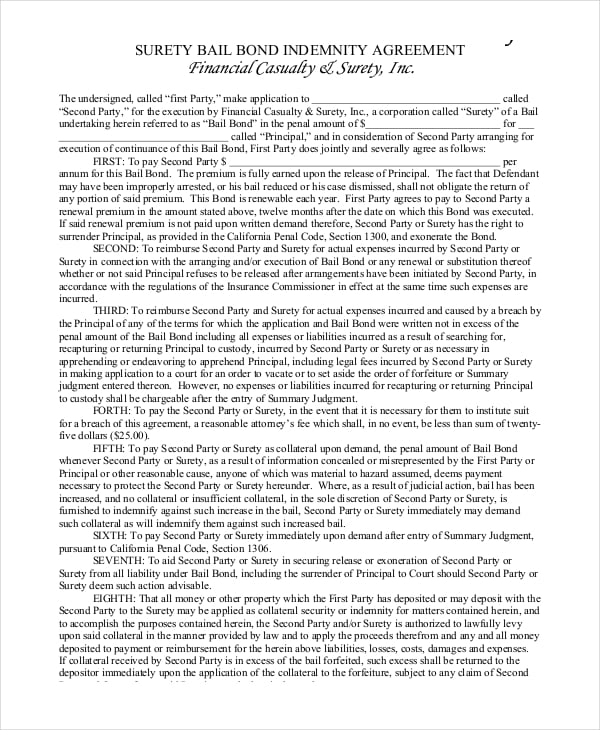
Free Indemnity Form Template Download Master Template
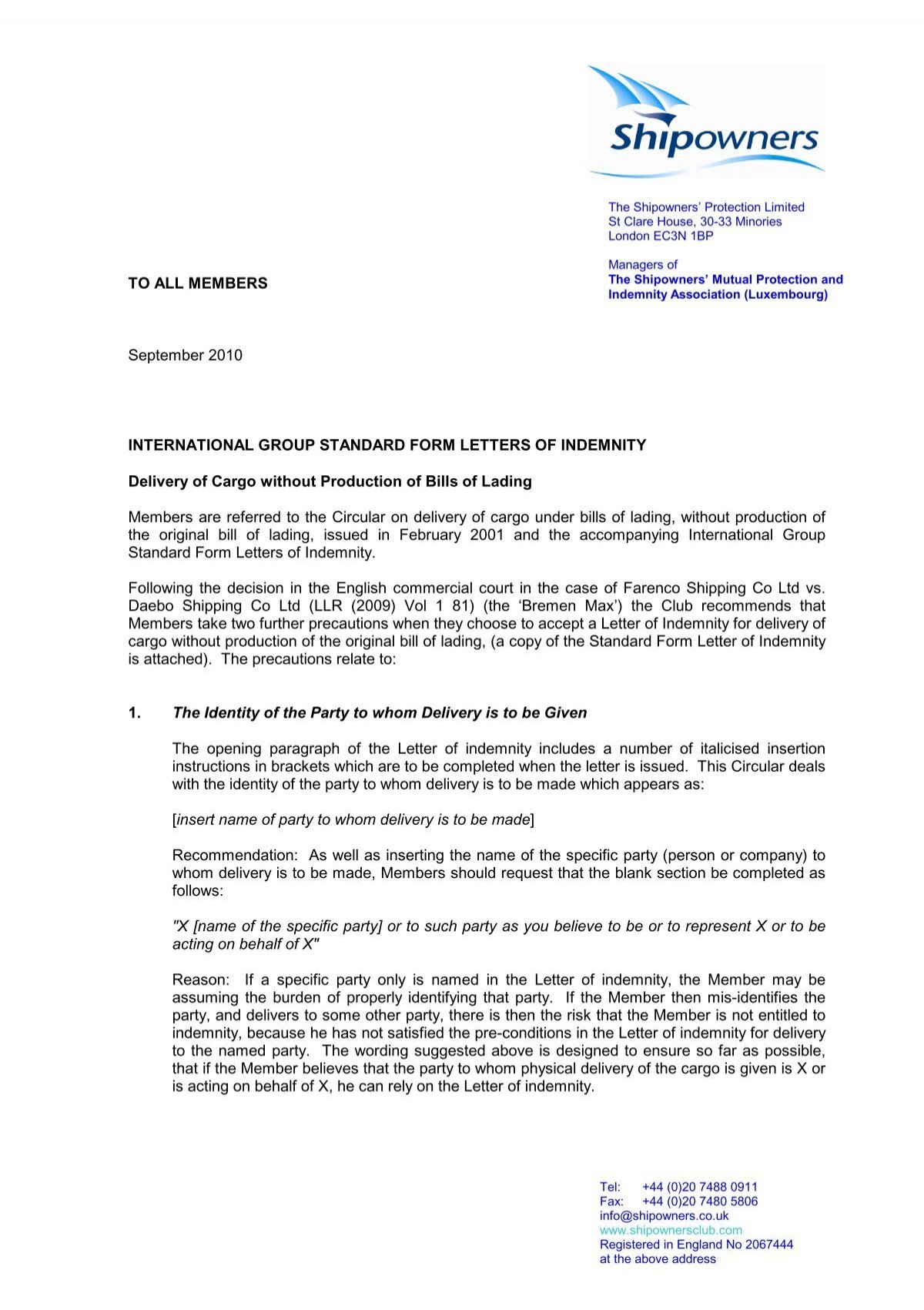
Letter Of Indemnity Template prntbl.concejomunicipaldechinu.gov.co
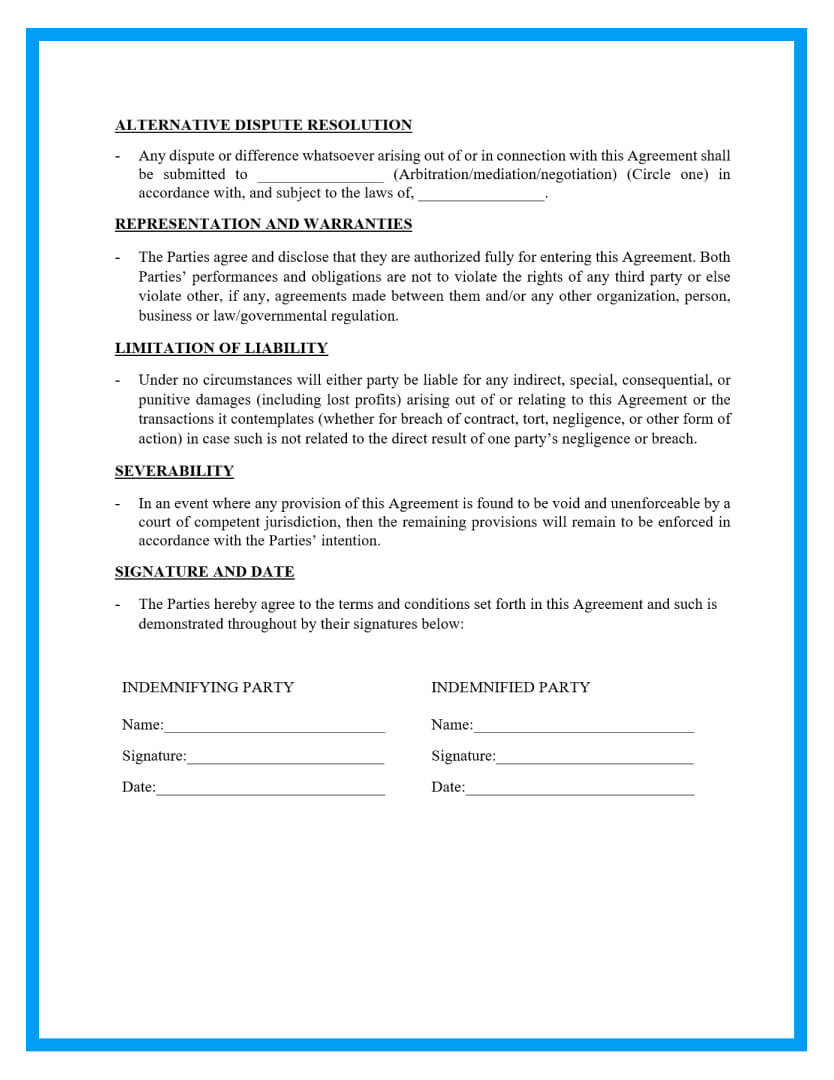
Indemnity Letter Template Sample Template Samples
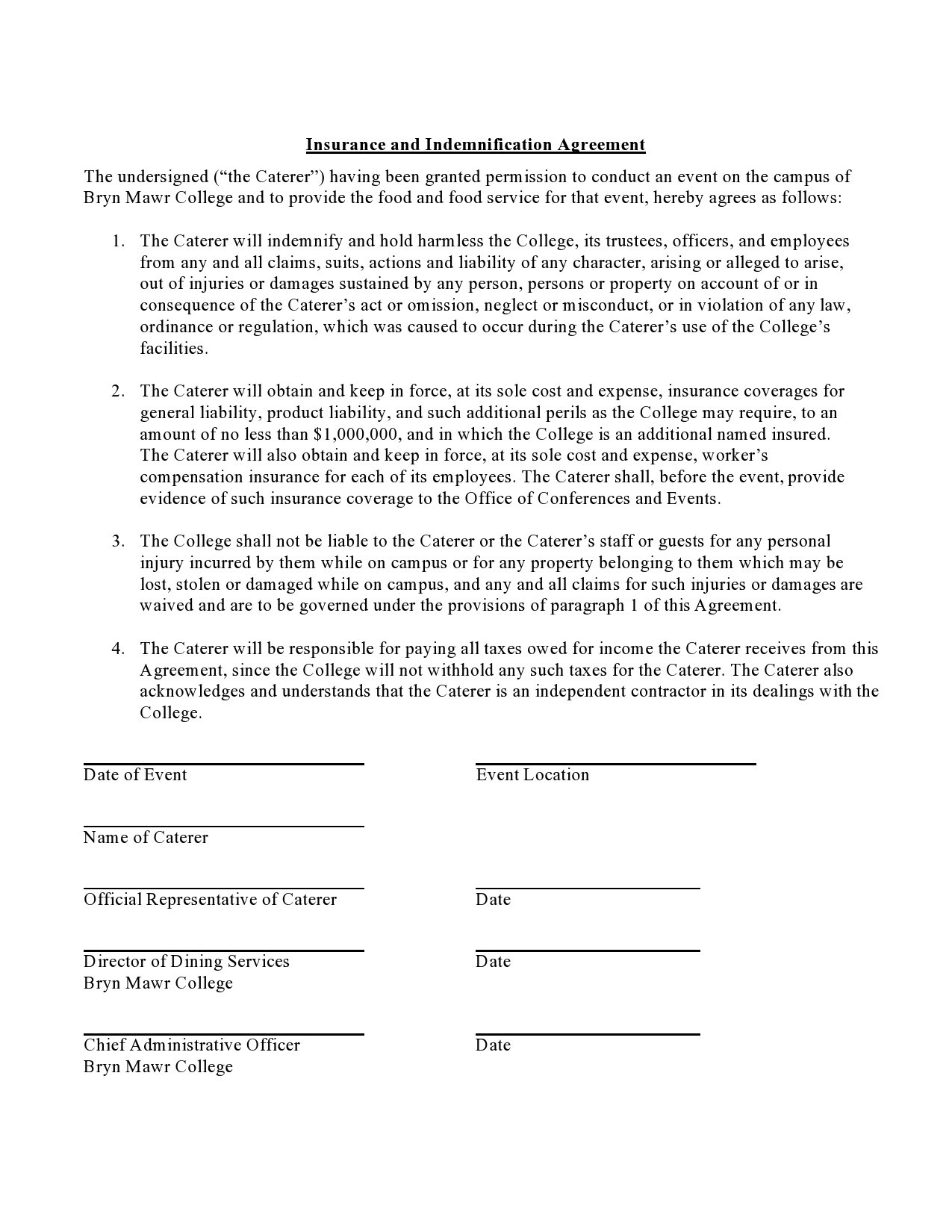
Free Indemnity Agreement Template

Indemnity Clause in Contract

Indemnification Clause Template
Indemnity Clause PDF Indemnity Legal Liability
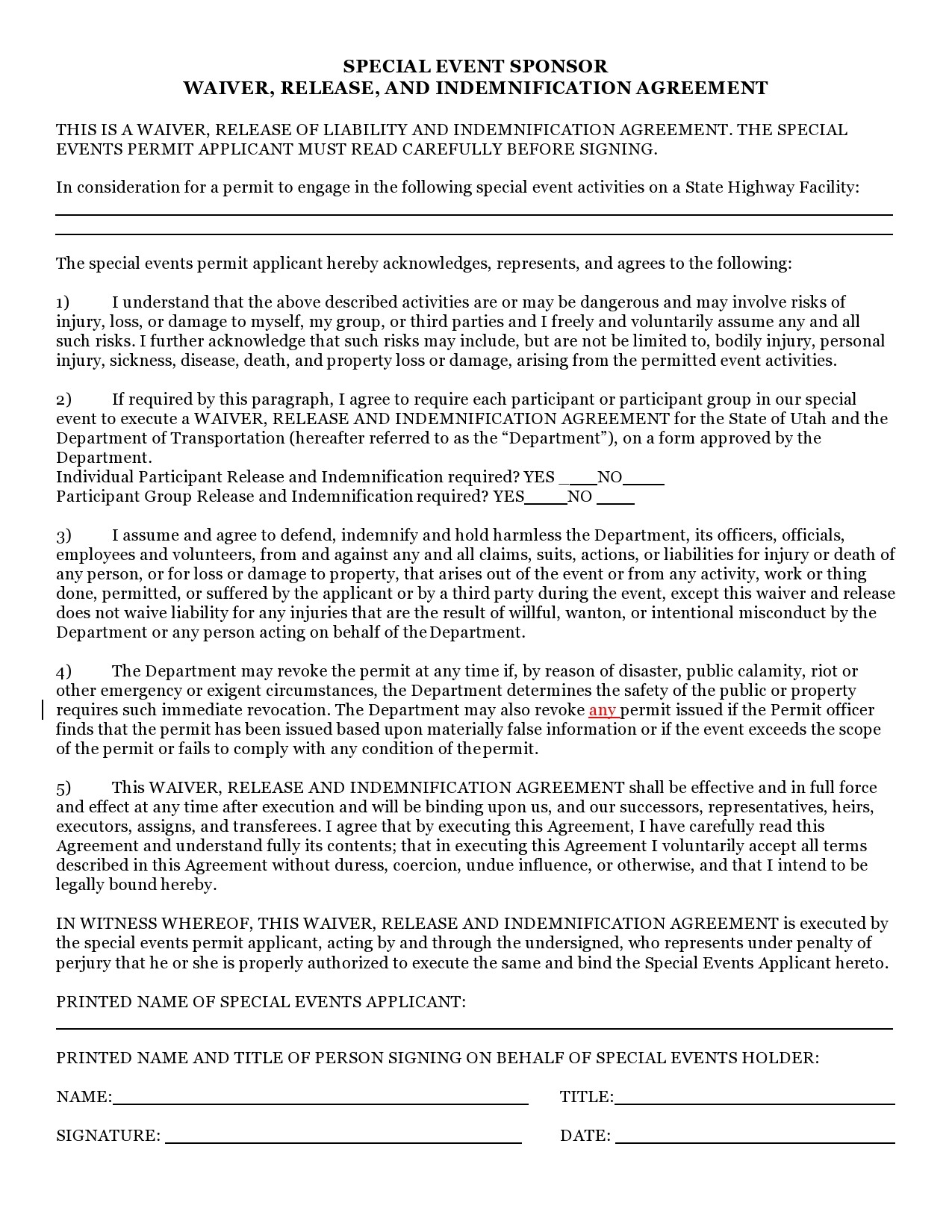
Indemnification Clause Template
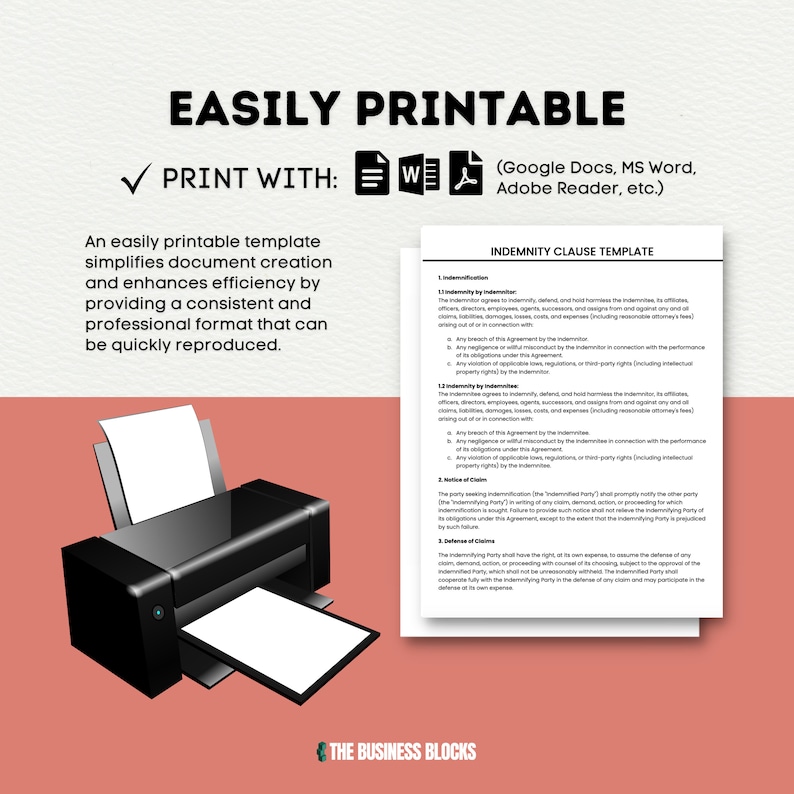
Indemnity Clause Template Indemnity Clause in Contracts Indemnity
The Meaning Of Indemnity Is Security Against Hurt, Loss, Or Damage.
Indemnity Is A Comprehensive Form Of Insurance Compensation For Damage Or Loss.
Indemnity Is An Important Element Of Contracts Because It Is Designed To Punish A Party Who Breaches The Contract.
Indemnification Is The Foundation Of Insurance Contracts, Ensuring Policyholders Are Compensated For Covered Losses Without Financial Gain.
Related Post:
