
Gender Affirming Surgery Letter Template
Gender Affirming Surgery Letter Template - This includes norms, behaviours and roles associated with being a woman, man,. Gender refers to the characteristics of women, men, girls and boys that are socially constructed. Gender is the range of social, psychological, cultural, and behavioral aspects of being a man (or boy), woman (or girl), or third gender. Gender identity refers to how one understands and experiences one’s own gender. Sex refers to biological differences (chromosomal, hormonal, reproductive), whereas gender refers to socially constructed roles, behaviors, activities, and expectations. [1][2] although gender often corresponds to sex, a. It influences how people perceive themselves. People often use the terms “sex” and “gender” interchangeably, but this is incorrect. Sex refers to biological physical differences, while gender is how people identify. Gender refers to the socially constructed roles, behaviours, expressions and identities of girls, women, boys, men, and gender diverse people. This includes norms, behaviours and roles associated with being a woman, man,. People often use the terms “sex” and “gender” interchangeably, but this is incorrect. Gender refers to the characteristics of women, men, girls and boys that are socially constructed. Gender refers to the socially constructed roles, behaviours, expressions and identities of girls, women, boys, men, and gender diverse people. The meaning of gender is a subclass within a grammatical class (such as noun, pronoun, adjective, or verb) of a language that is partly arbitrary but also partly based on. Explore gender as a social construct, its impact on societal structures and how understanding it is crucial for advancing human rights. Sex refers to biological physical differences, while gender is how people identify. Sex refers to biological differences (chromosomal, hormonal, reproductive), whereas gender refers to socially constructed roles, behaviors, activities, and expectations. It involves a person’s psychological sense of being male, female, or neither (apa, 2012). [1][2] although gender often corresponds to sex, a. People often use the terms “sex” and “gender” interchangeably, but this is incorrect. Gender refers to the socially constructed roles, behaviours, expressions and identities of girls, women, boys, men, and gender diverse people. Gender refers to the characteristics of women, men, girls and boys that are socially constructed. Sex refers to biological differences (chromosomal, hormonal, reproductive), whereas gender refers to. Gender is the range of social, psychological, cultural, and behavioral aspects of being a man (or boy), woman (or girl), or third gender. It influences how people perceive themselves. This includes norms, behaviours and roles associated with being a woman, man,. Gender identity refers to how one understands and experiences one’s own gender. The meaning of gender is a subclass. Gender identity refers to how one understands and experiences one’s own gender. People often use the terms “sex” and “gender” interchangeably, but this is incorrect. Explore gender as a social construct, its impact on societal structures and how understanding it is crucial for advancing human rights. It involves a person’s psychological sense of being male, female, or neither (apa, 2012).. Gender is the range of social, psychological, cultural, and behavioral aspects of being a man (or boy), woman (or girl), or third gender. People often use the terms “sex” and “gender” interchangeably, but this is incorrect. Gender refers to the socially constructed roles, behaviours, expressions and identities of girls, women, boys, men, and gender diverse people. Sex refers to biological. It involves a person’s psychological sense of being male, female, or neither (apa, 2012). This includes norms, behaviours and roles associated with being a woman, man,. Gender is the range of social, psychological, cultural, and behavioral aspects of being a man (or boy), woman (or girl), or third gender. Explore gender as a social construct, its impact on societal structures. Gender identity refers to how one understands and experiences one’s own gender. Gender refers to the socially constructed roles, behaviours, expressions and identities of girls, women, boys, men, and gender diverse people. It involves a person’s psychological sense of being male, female, or neither (apa, 2012). The meaning of gender is a subclass within a grammatical class (such as noun,. Sex refers to biological differences (chromosomal, hormonal, reproductive), whereas gender refers to socially constructed roles, behaviors, activities, and expectations. The meaning of gender is a subclass within a grammatical class (such as noun, pronoun, adjective, or verb) of a language that is partly arbitrary but also partly based on. It involves a person’s psychological sense of being male, female, or. Gender refers to the socially constructed roles, behaviours, expressions and identities of girls, women, boys, men, and gender diverse people. Gender is the range of social, psychological, cultural, and behavioral aspects of being a man (or boy), woman (or girl), or third gender. Sex refers to biological differences (chromosomal, hormonal, reproductive), whereas gender refers to socially constructed roles, behaviors, activities,. People often use the terms “sex” and “gender” interchangeably, but this is incorrect. Gender refers to the socially constructed roles, behaviours, expressions and identities of girls, women, boys, men, and gender diverse people. Gender identity refers to how one understands and experiences one’s own gender. It influences how people perceive themselves. Sex refers to biological differences (chromosomal, hormonal, reproductive), whereas. The meaning of gender is a subclass within a grammatical class (such as noun, pronoun, adjective, or verb) of a language that is partly arbitrary but also partly based on. Sex refers to biological differences (chromosomal, hormonal, reproductive), whereas gender refers to socially constructed roles, behaviors, activities, and expectations. It influences how people perceive themselves. People often use the terms. Gender refers to the characteristics of women, men, girls and boys that are socially constructed. Sex refers to biological differences (chromosomal, hormonal, reproductive), whereas gender refers to socially constructed roles, behaviors, activities, and expectations. It influences how people perceive themselves. Sex refers to biological physical differences, while gender is how people identify. Gender is the range of social, psychological, cultural, and behavioral aspects of being a man (or boy), woman (or girl), or third gender. Gender identity refers to how one understands and experiences one’s own gender. Explore gender as a social construct, its impact on societal structures and how understanding it is crucial for advancing human rights. People often use the terms “sex” and “gender” interchangeably, but this is incorrect. Gender refers to the socially constructed roles, behaviours, expressions and identities of girls, women, boys, men, and gender diverse people. [1][2] although gender often corresponds to sex, a.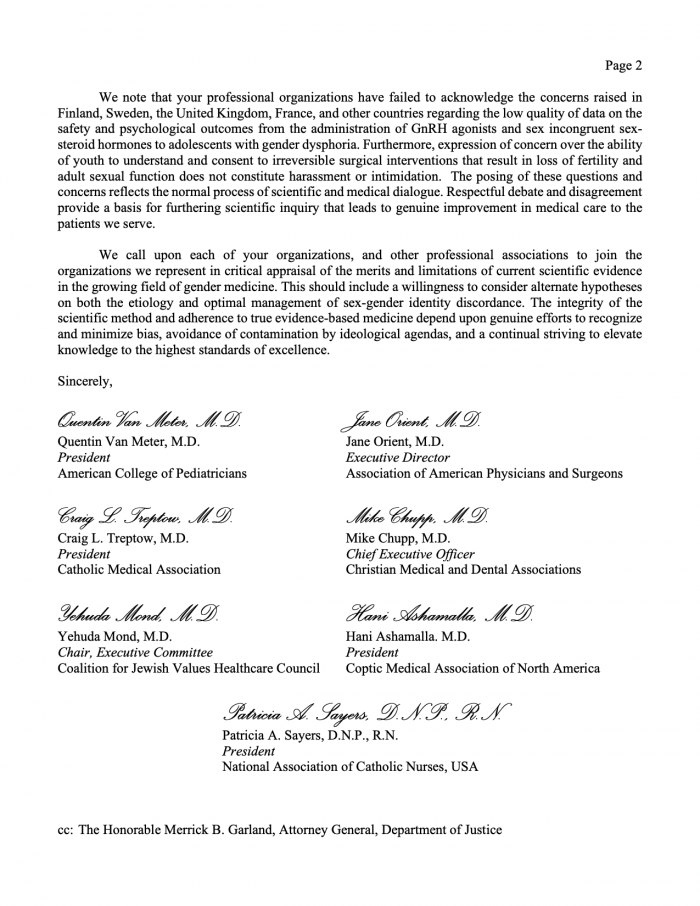
Gender Affirming Surgery Letter Template prntbl

Gender Affirming Surgery Letter Template
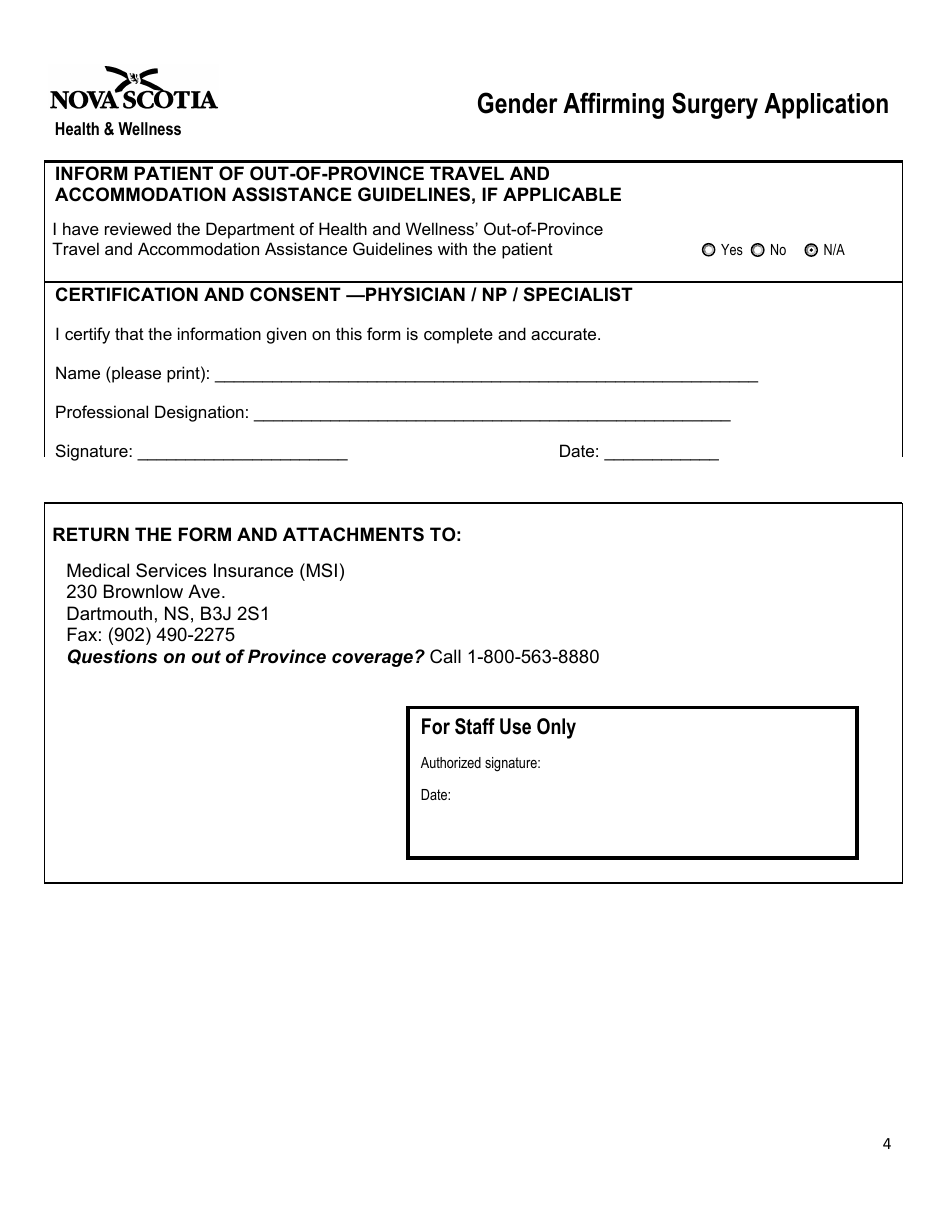
Nova Scotia Canada Gender Affirming Surgery Application Fill Out

Gender Affirming Surgery Letter Template prntbl
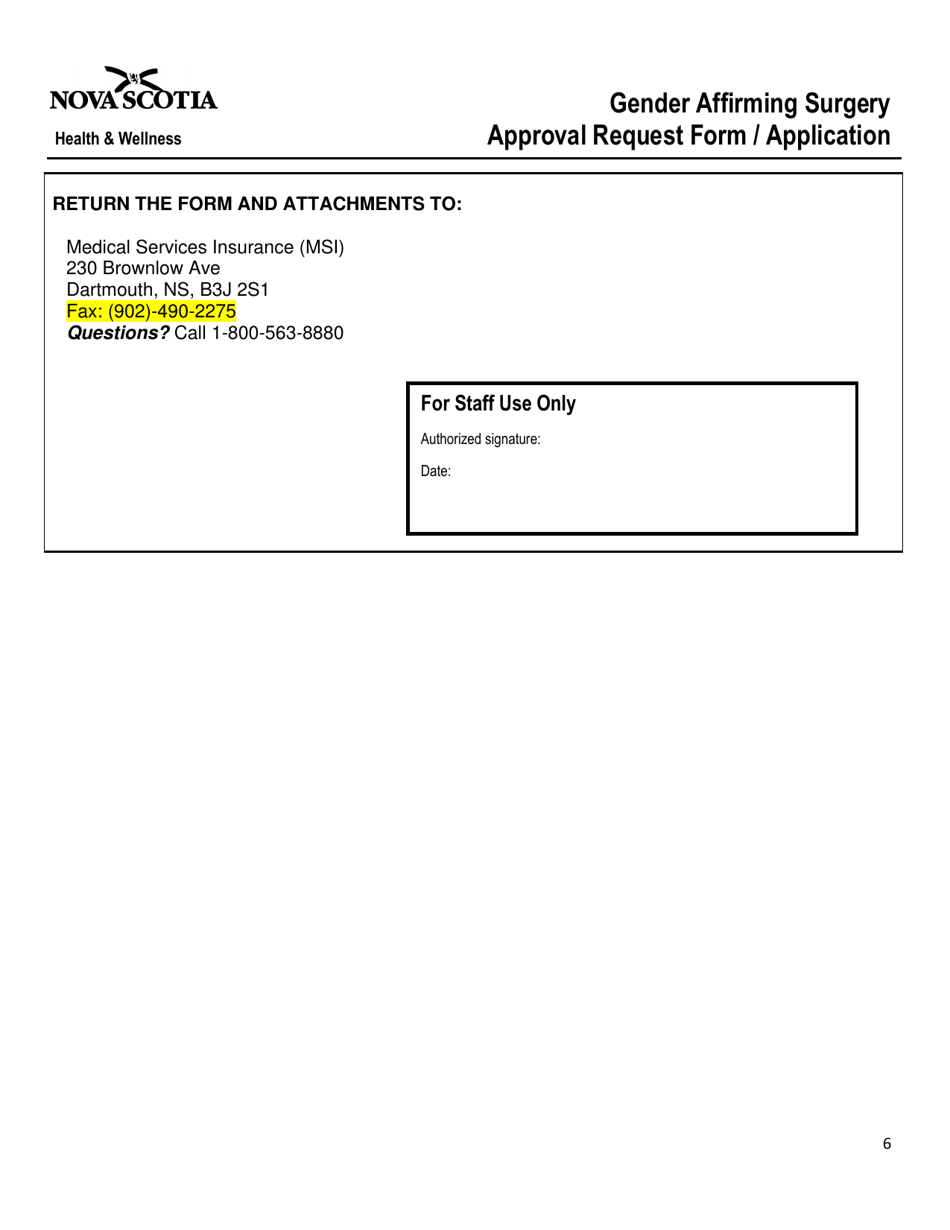
Nova Scotia Canada Gender Affirming Surgery Approval Request Form
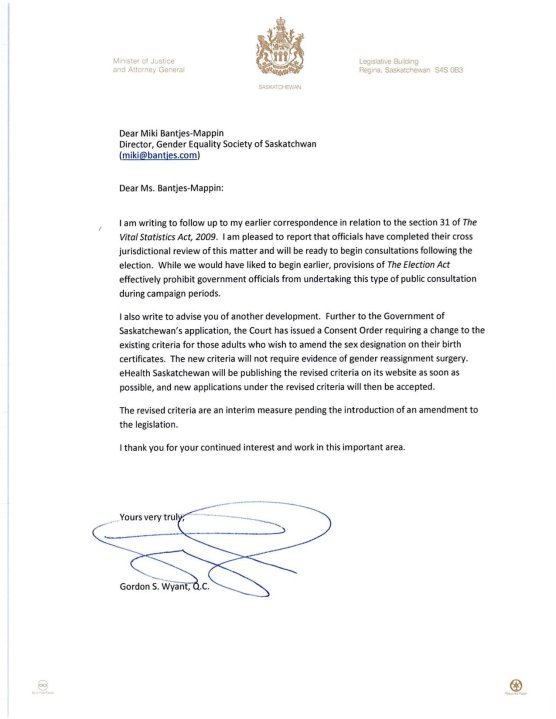
Gender Affirming Surgery Letter Template

Gender Affirming Surgery Letter Template Educational Printable Activities

GenderAffirming Surgery FAQ Gender Surgery AZ
Gender Affirming Surgery Letter Template prntbl

Letter for GenderAffirming Surgery Blake Psychology
It Involves A Person’s Psychological Sense Of Being Male, Female, Or Neither (Apa, 2012).
The Meaning Of Gender Is A Subclass Within A Grammatical Class (Such As Noun, Pronoun, Adjective, Or Verb) Of A Language That Is Partly Arbitrary But Also Partly Based On.
This Includes Norms, Behaviours And Roles Associated With Being A Woman, Man,.
Related Post: