
36X48 Powerpoint Poster Template
36X48 Powerpoint Poster Template - What is the bounce rate in google analytics? The number of times unique users returned to your. To calculate purchase frequency, divide your total number of orders by the number of unique customers for the same time frame. Let's say a have a huge set of data that contains 3 columns (invoice date, customer #, sale amount) and i am looking to determine what % of my customers have. By applying the purchases metric, you can see how many. Considering the amplitunes example where there is a “play song or video” event with a “content_id” property. I am currently using this formula to create this. I am trying find how many times a customer shopped between their first purchase date and 90 days after that first purchase. While new and active users won’t exceed total users, factors such as thresholding may contribute to discrepancies in these numbers. Each row represents one customer and each column one item. Each row represents one customer and each column one item. In this case, it looks like four days is the expected usage interval for active. The number of times unique users returned to your. Let's say a have a huge set of data that contains 3 columns (invoice date, customer #, sale amount) and i am looking to determine what % of my customers have. You can use this usage interval to create a return on (custom) chart or a lifecycle chart. While new and active users won’t exceed total users, factors such as thresholding may contribute to discrepancies in these numbers. Considering the amplitunes example where there is a “play song or video” event with a “content_id” property. Purchase frequency is effectively the average number of. What does the users metric measure? The table has same number of columns for each customer and the values in columns item* are either 1 or 0. You can use this usage interval to create a return on (custom) chart or a lifecycle chart. In this case, it looks like four days is the expected usage interval for active. I am currently using this formula to create this. By applying the purchases metric, you can see how many. The table has same number of columns for each. I am currently using this formula to create this. I am trying find how many times a customer shopped between their first purchase date and 90 days after that first purchase. You can use this usage interval to create a return on (custom) chart or a lifecycle chart. I’m interested to find the average amount of times a song is.. You can use this usage interval to create a return on (custom) chart or a lifecycle chart. Let's say a have a huge set of data that contains 3 columns (invoice date, customer #, sale amount) and i am looking to determine what % of my customers have. I am trying find how many times a customer shopped between their. I am trying find how many times a customer shopped between their first purchase date and 90 days after that first purchase. In this case, it looks like four days is the expected usage interval for active. I am currently using this formula to create this. Considering the amplitunes example where there is a “play song or video” event with. Considering the amplitunes example where there is a “play song or video” event with a “content_id” property. The number of times unique users returned to your. What is the bounce rate in google analytics? I am currently using this formula to create this. In this case, it looks like four days is the expected usage interval for active. Purchase frequency is effectively the average number of. While new and active users won’t exceed total users, factors such as thresholding may contribute to discrepancies in these numbers. In google analytics, you'll only see active users in your. I’m interested to find the average amount of times a song is. The table has same number of columns for each customer. In google analytics, you'll only see active users in your. Purchase frequency is effectively the average number of. You can use this usage interval to create a return on (custom) chart or a lifecycle chart. Let's say a have a huge set of data that contains 3 columns (invoice date, customer #, sale amount) and i am looking to determine. What does the users metric measure? The table has same number of columns for each customer and the values in columns item* are either 1 or 0. Let's say a have a huge set of data that contains 3 columns (invoice date, customer #, sale amount) and i am looking to determine what % of my customers have. Each row. While new and active users won’t exceed total users, factors such as thresholding may contribute to discrepancies in these numbers. To calculate purchase frequency, divide your total number of orders by the number of unique customers for the same time frame. What does the users metric measure? I am currently using this formula to create this. In this case, it. By applying the purchases metric, you can see how many. While new and active users won’t exceed total users, factors such as thresholding may contribute to discrepancies in these numbers. In this case, it looks like four days is the expected usage interval for active. Purchase frequency is effectively the average number of. I am currently using this formula to. You can use this usage interval to create a return on (custom) chart or a lifecycle chart. To calculate purchase frequency, divide your total number of orders by the number of unique customers for the same time frame. The total number of visits to your website. I am trying find how many times a customer shopped between their first purchase date and 90 days after that first purchase. By applying the purchases metric, you can see how many. Each row represents one customer and each column one item. The table has same number of columns for each customer and the values in columns item* are either 1 or 0. While new and active users won’t exceed total users, factors such as thresholding may contribute to discrepancies in these numbers. The number of times unique users returned to your. What is the bounce rate in google analytics? Considering the amplitunes example where there is a “play song or video” event with a “content_id” property. I’m interested to find the average amount of times a song is. I am currently using this formula to create this. What does the users metric measure?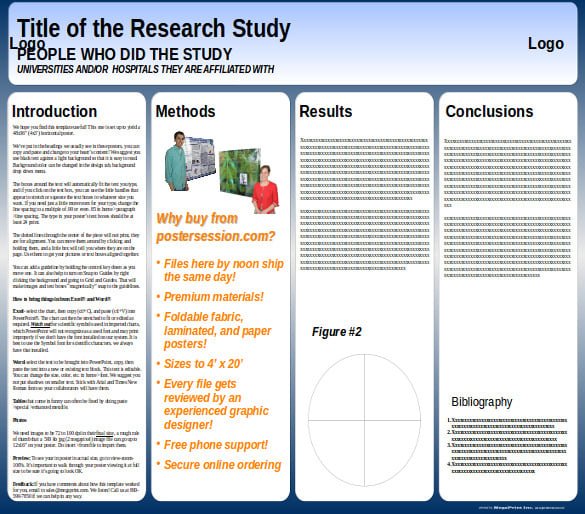
Powerpoint Poster Template 48X36

36 X 48 Poster Powerpoint Template Social Media Template

Powerpoint Academic Poster Template Toptemplate.my.id

48 X 36 Powerpoint Poster Template Printable Calendars AT A GLANCE

Powerpoint Poster Templates 24×36 Powerpoint Poster Template 24 36

Free Research Poster Template for PowerPoint & Google Slides

Poster template powerpoint 48 x 36 2021
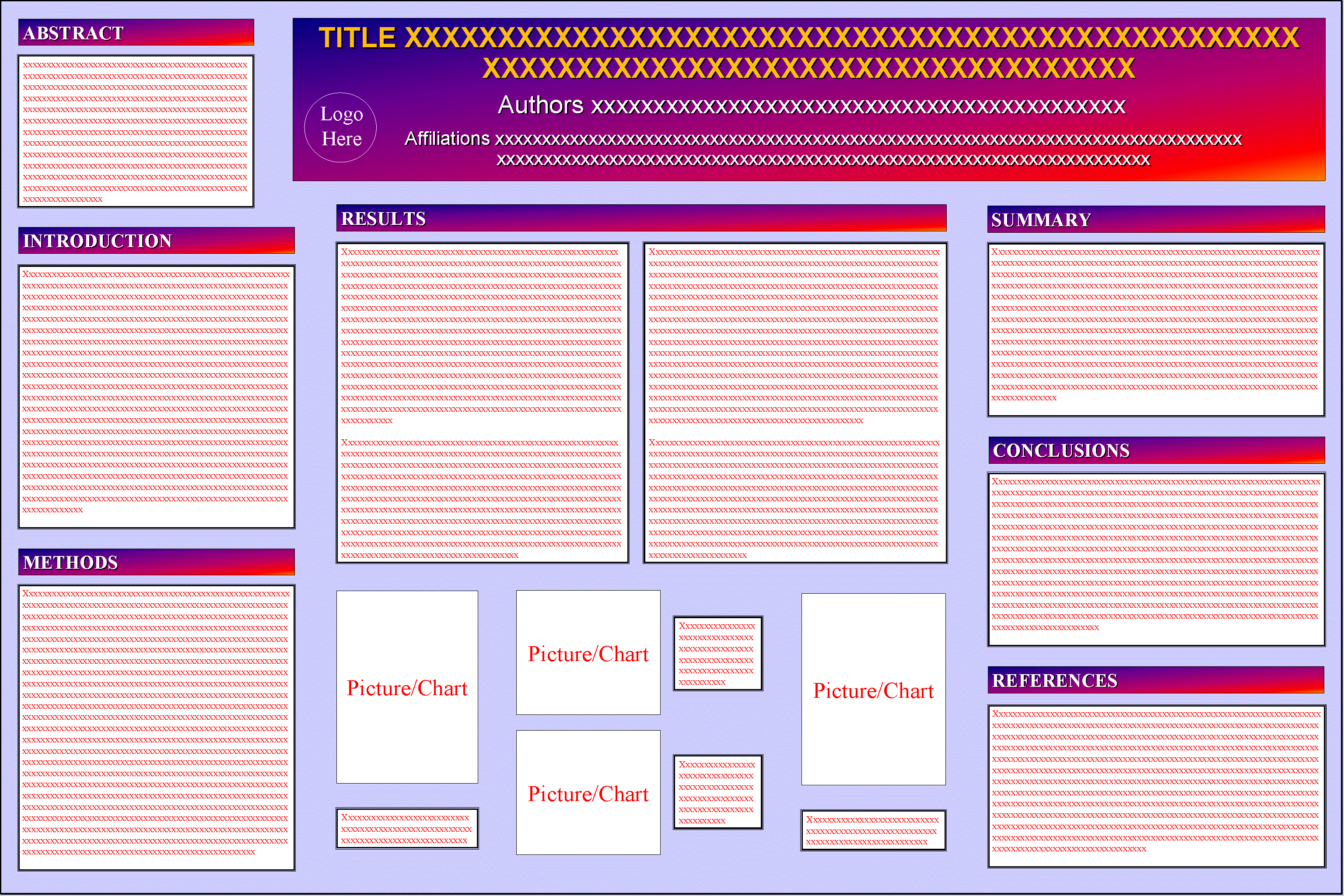
Powerpoint Academic Poster Template

Poster Template Powerpoint 48 X 36
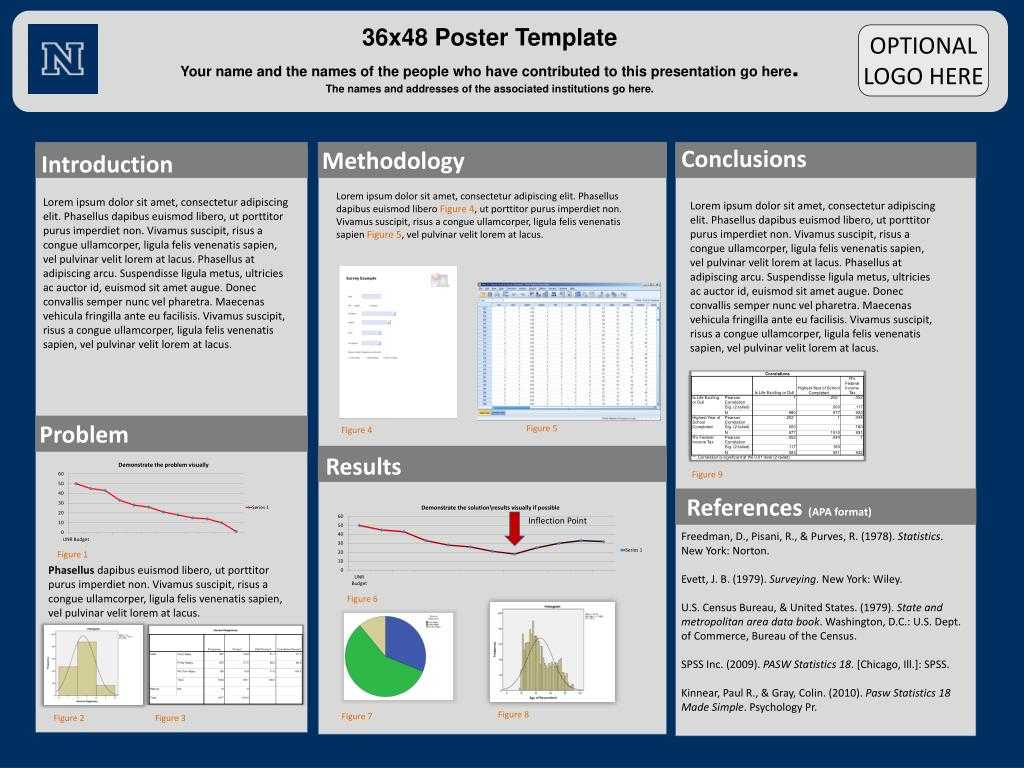
Ppt 36X48 Poster Template Powerpoint Presentation, Free inside
In Google Analytics, You'll Only See Active Users In Your.
In This Case, It Looks Like Four Days Is The Expected Usage Interval For Active.
Let's Say A Have A Huge Set Of Data That Contains 3 Columns (Invoice Date, Customer #, Sale Amount) And I Am Looking To Determine What % Of My Customers Have.
Purchase Frequency Is Effectively The Average Number Of.
Related Post: